
Aviation
Japan Orders Boeing Jets in Landmark Deal, Sparking U.S. Jobs and $550B Investment
Japan Airlines orders 100 Boeing jets as part of a historic U.S. trade deal boosting defense ties, jobs, and industrial growth.

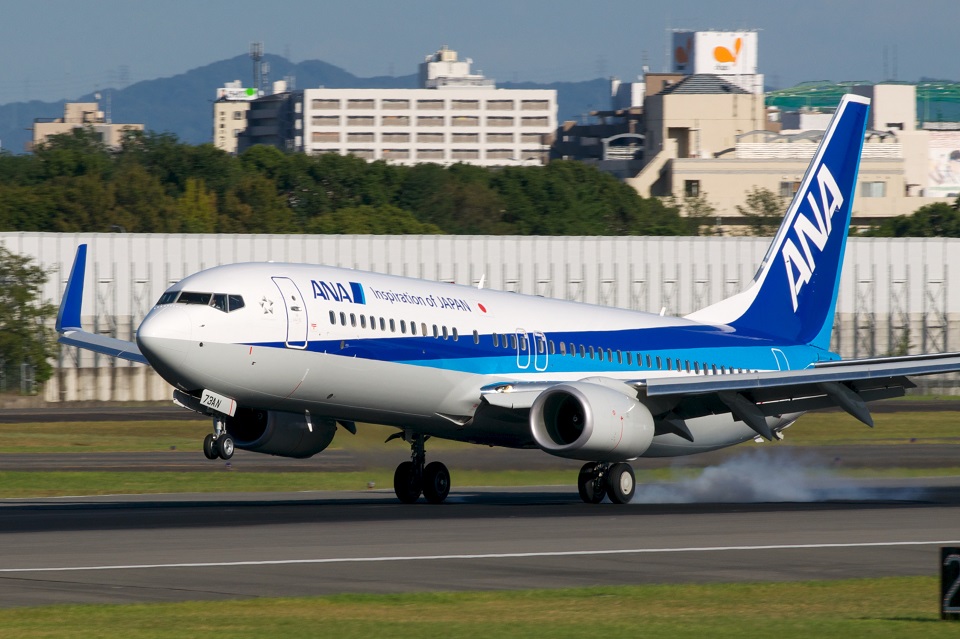
After facing years of setbacks, Boeing is finally soaring back. The American aerospace giant is gaining renewed momentum—this time with a massive order from Japan Airlines.
Thanks to high-level trade diplomacy and the strategic use of tariffs as leverage, Boeing continues to benefit as global partners make key concessions to maintain strong ties with Washington. The latest U.S.-Japan trade agreement is a prime example—marking a major victory for both American manufacturing and the U.S. defense industry.
In a landmark trade agreement announced on Tuesday, Japan has committed to purchasing 100 Boeing aircraft as part of a broader deal aimed at strengthening U.S.-Japan economic and defense ties. The announcement was made by U.S. President Donald Trump, who hailed it as a significant step toward revitalizing America’s industrial base.
The deal is part of Japan’s agreement to purchase $8 billion worth of American goods, which include corn, soybeans, fertilizers, bioethanol, and sustainable aviation fuel.
However, the centerpiece of the agreement remains Japan Airlines’ order of Boeing jets—a major boost for the U.S. aerospace sector that has been grappling with delays, competition, and safety concerns in recent years.
Under the new terms, Japan will also invest a staggering $550 billion into rebuilding and expanding core American industries. According to the White House, this marks the largest foreign investment commitment ever secured by any country, and it is expected to generate hundreds of thousands of jobs across the United States.
The funding will focus on revitalizing critical sectors such as:
- Energy infrastructure and production
- Semiconductor manufacturing and research
- Critical minerals mining, processing, and refining
- Pharmaceutical and medical supplies production
- Commercial and defense shipbuilding
As a show of good faith and in response to the scale of Japan’s investment, the U.S. will apply a 15% “reciprocal” tariff on Japanese imports—a reduction from the previously announced 25%. The Trump administration emphasized that this lower tariff rate reflects Japan’s willingness to contribute directly to America’s strategic growth and security.
Analysts see the deal as a major geopolitical and economic win for the United States, reinforcing its position as a manufacturing and innovation hub while balancing trade relations in the Indo-Pacific. It also highlights how strategic aircraft orders, like Japan’s Boeing purchase, can serve as instruments of diplomacy, deepening alliances and bringing economic benefits to both nations.
Conclusion:
As Boeing regains its footing in the global aviation market, partnerships like this reaffirm its importance to America’s industrial and defense ecosystem. With Japan stepping up as a key investor and buyer, the deal not only accelerates Boeing’s recovery but also sets the tone for future high-stakes trade agreements built around mutual benefit, security cooperation, and economic revitalization.
For more aerospace news, check out JetlineIntel.
Want to buy aviation merchandise? Visit Jetshop.in.
To read Jetlinemarvel’s updates on Google News, head over to Google News.
