
Aviation
Russian An-24 Passenger Plane With 49 Onboard Crashes in the Amur Region
In another tragic aviation incident this year, a Russian passenger aircraft operated by Angara Airlines has crashed in the Amur region, killing all 49 onboard, according to preliminary reports.

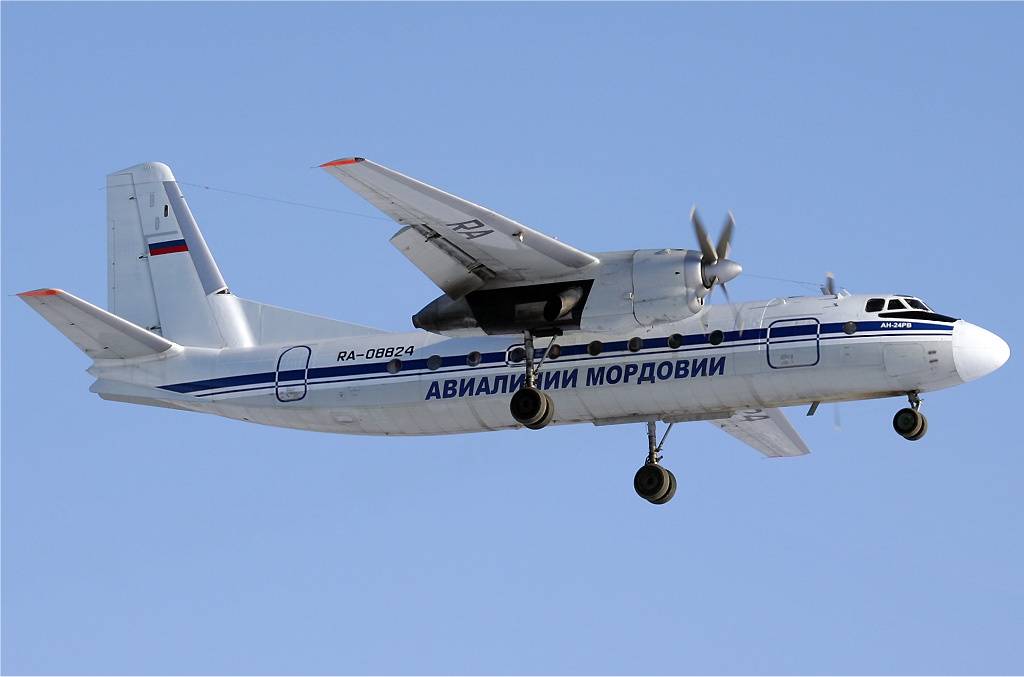
2025 has turned into a grim year for global aviation, with a noticeable rise in aircraft accidents. From Asia to Africa, the skies have seen tragedy unfold — and now, yet another disaster has shaken Russia. In a chilling reminder of the challenges faced by aging regional fleets, a Russian passenger plane carrying 49 people has crashed in the country’s remote Far East.
This marks the second major aviation mishap for Russia this year, reigniting concerns over aircraft maintenance and operational safety across regional airlines. According to preliminary reports from Russian media, there are no survivors.
The ill-fated aircraft, an Antonov An-24 operated by the Siberia-based airline Angara, vanished from radar on approach to its destination, Tynda, a remote town in Russia’s Amur region, which borders China. The Ministry of Emergency Situations confirmed that the twin turboprop plane lost contact with air traffic controllers shortly before its scheduled landing.
Shortly after the disappearance, Interfax reported that debris from the missing aircraft had been located, though the exact coordinates of the wreckage remain undisclosed. Rescue teams have since been dispatched to the scene, working through the challenging terrain to search for signs of life and to begin a formal investigation.
While official confirmation on the death toll is still awaited, initial data points to a complete loss of life onboard.
The An-24 aircraft, developed during the Soviet era, is known for its rugged design suited for harsh conditions and short runways, especially in isolated regions like Siberia. Despite its durability, the model is decades old, and experts have long expressed concerns over the reliability of older aircraft still in commercial service across Russia’s vast regional network.
Russia, which spans 11 time zones and relies heavily on air travel for remote connectivity, often witnesses aviation incidents — many of which, while non-fatal, involve emergency landings and mid-flight technical snags. But major crashes like this reignite urgent debates around fleet modernization, maintenance standards, and airline oversight.
As investigations continue and families await formal confirmation, this crash adds another somber chapter to a year already marred by aviation tragedies.
For more aerospace news, check out JetlineIntel.
Want to buy aviation merchandise? Visit Jetshop.in.
To read Jetlinemarvel’s updates on Google News, head over to Google News.
