
Defence
India Unleashes $25 Billion Military Upgrade as S-400 Shield Expands
India launches one of its largest defence modernisation drives, strengthening air defence, artillery, surveillance, and fighter capabilities as new S-400 systems boost regional deterrence power.

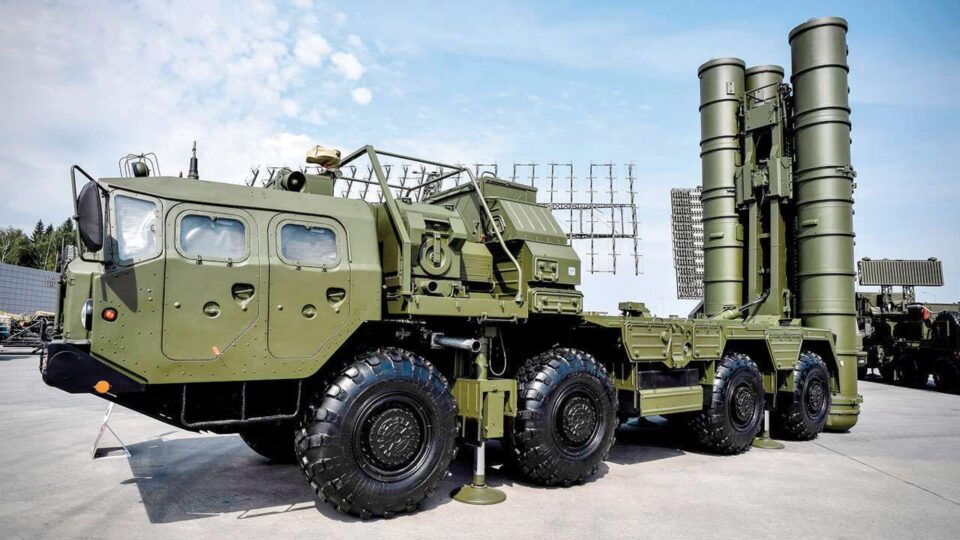
India has just taken one of the biggest military modernisation decisions in its history — a move that is already reshaping strategic calculations across South Asia and the wider Indo-Pacific.
With rising regional tensions, evolving aerial threats, and rapid military developments by neighbouring powers, New Delhi is accelerating its defence transformation at an unprecedented pace.
In a landmark decision signalling a major shift in India’s defence posture, the government has approved military procurement proposals worth ₹2.38 trillion — approximately $25 billion, marking one of the largest defence acquisition waves ever undertaken by the country.
The sweeping approvals aim to strengthen India’s air defence network, modernise battlefield capabilities, and enhance surveillance and strike power across land, air, and maritime domains. Defence and security sources indicate that several critical systems will begin arriving within months, accelerating India’s long-term military readiness plans.
S-400 Deliveries Strengthen India’s Air Defence Shield
At the centre of this expansion is the continued induction of the S-400 Triumf long-range air defence system, one of the most advanced surface-to-air missile systems in the world.
Sources confirmed that another S-400 unit, initially expected earlier this year, will now arrive between May and June, while the fifth and final system is scheduled for delivery in the last quarter of the year. Once fully operational, these systems will form the backbone of India’s proposed nationwide air defence architecture under Mission Sudarshan Chakra, planned for deployment by 2035.
The S-400 is designed to detect, track, and destroy multiple aerial threats simultaneously — including fighter jets, cruise missiles, ballistic missiles, and stealth aircraft — at extremely long ranges.
Key S-400 Features:
- Engagement Range: Up to 400 km
- Target Tracking Capacity: Over 300 targets simultaneously
- Missile Speed: Nearly Mach 14, making interception extremely difficult
- Multi-Layer Defence: Uses multiple missile types for short, medium, and long-range interception
- Radar Capability: Advanced phased-array radar capable of detecting stealth targets
Powered by high-energy solid rocket motors, the system carries different interceptor missiles with varying payload configurations, allowing layered protection against diverse aerial threats. This flexibility enables India to create defensive bubbles protecting major cities, airbases, and strategic military infrastructure.
Strategically, the deployment significantly enhances India’s ability to counter advanced aircraft and missile threats emerging from both northern and western borders.
Army Modernisation and Battlefield Upgrades
Friday’s approvals also included a wide range of acquisitions aimed at improving the Indian Army’s combat effectiveness and operational readiness.
Among the key systems cleared:
- Air Defence Tracked System: Providing real-time command, control, and reporting for battlefield air defence operations.
- High Capacity Radio Relay Systems: Ensuring secure and reliable communications across complex terrains and combat zones.
- Armour-Piercing Tank Ammunition: Enhancing anti-armour lethality against modern battlefield threats.
- Dhanush Artillery Gun System: Increasing long-range precision strike capability with improved accuracy and mobility.
- Runway Independent Aerial Surveillance Systems: Expanding intelligence, reconnaissance, and monitoring capabilities in remote and forward areas.
These procurements reflect a growing emphasis on network-centric warfare, where communication, surveillance, and rapid targeting play decisive roles.
Upgrading Air Power and Maritime Security
The expansion also focuses on sustaining existing air power assets. The government approved measures to extend the operational life of the Sukhoi-30MKI fighter fleet, the backbone of the Indian Air Force’s combat capability.
Modernisation efforts will ensure improved avionics, enhanced mission endurance, and upgraded combat systems, allowing the aircraft to remain operationally relevant for decades.
Additionally, new hovercraft acquisitions for the Indian Coast Guard will strengthen coastal surveillance and rapid response capabilities, particularly important amid increasing maritime activity in the Indian Ocean Region.
New Tunguska Air Defence Contract with Russia
Separately, the Ministry of Defence signed a ₹4.45 billion ($47 million) contract with Russia’s JSC Rosoboronexport for the acquisition of Tunguska air defence missile systems for the Army.
The Tunguska combines missiles and rapid-fire cannons on a tracked platform, designed to protect ground forces from low-flying aircraft, helicopters, and drones — filling a critical gap between short-range and long-range air defence layers.
Record Defence Procurement Year
The latest approvals are part of a broader procurement surge during financial year 2025–26.
According to the Defence Ministry:
- 55 proposals worth ₹6.73 trillion ($71 billion) have been approved.
- Contracts for 503 proposals worth ₹2.28 trillion ($24 billion) have already been signed.
- Both figures represent the highest annual defence procurement levels in India’s history.
Strategic Impact Across the Region
Analysts believe the scale and timing of these decisions send a clear strategic message. By integrating long-range air defence systems, improved artillery, enhanced surveillance, and upgraded fighter fleets, India is moving toward a layered, integrated defence posture capable of countering high-intensity conflicts.
The growing air defence shield under Mission Sudarshan Chakra is expected to significantly complicate adversary air operations while strengthening deterrence against missile and aerial threats.
As new S-400 systems enter service and next-generation surveillance and strike platforms are inducted, India’s military modernisation drive is entering a decisive phase — one that could reshape the regional balance of power well into the next decade.
For more aerospace news, check out JetlineIntel.
Want to buy aviation merchandise? VisitJetshop.in.
To read Jetlinemarvel’s updates on Google News, head over to Google News.



