
Aviation
Indonesia’s Trust in Rafale Fighter Jet Boosts Stock Market Gains
Amid global narratives and regional pressures, Indonesia reaffirms its confidence in the Rafale fighter jet, prioritizing defense modernization and strategic autonomy.

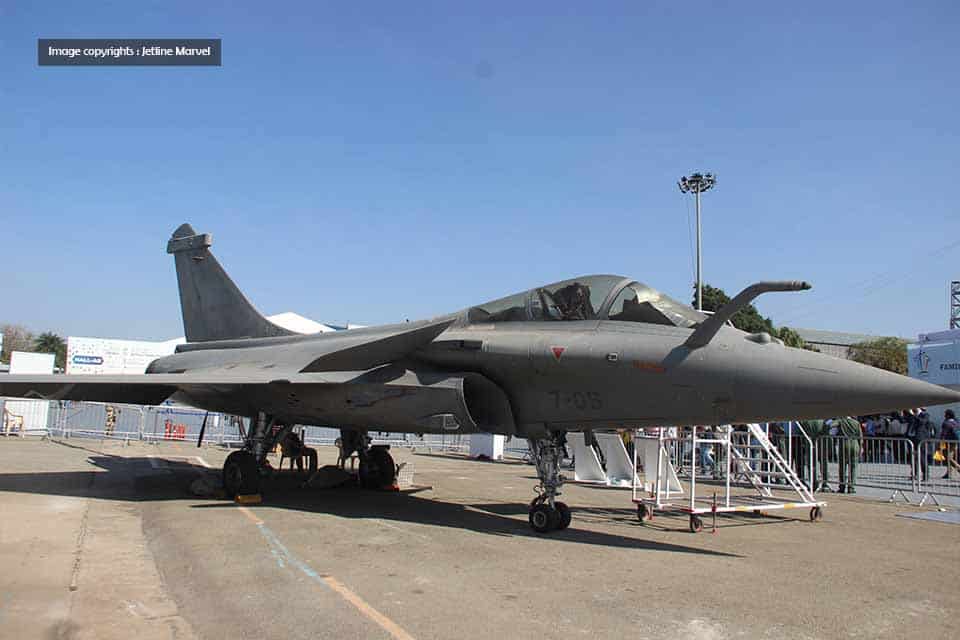
Indonesia is increasingly reaffirming its trust in the French-made Rafale fighter jet, signaling a strong commitment to defense modernization amid geopolitical uncertainty and conflicting narratives in global media.
This move comes despite a series of unverified claims, largely amplified by Chinese and Pakistani outlets, suggesting that Rafales were shot down in a recent India-Pakistan conflict—claims which remain unconfirmed by India and are widely seen as part of a coordinated disinformation campaign.
A Diverse but Strategic Approach to Airpower
Indonesia operates a diverse fleet of combat aircraft, including the Sukhoi Su-27, Su-30, British Hawk 109, and the U.S.-made F-5E Tiger. In a bid to modernize its aging inventory and avoid over-reliance on a single supplier, Jakarta has been exploring multiple options.
Discussions have taken place with the U.S. over the Boeing F-15, with Russia for the Su-35, South Korea for the KF-21 Boramae, France for the Rafale, and even Turkey for the fifth-generation KAAN fighter and submarine systems. However, many of these have yet to materialize into firm deals—except for the French Rafale, which has now emerged as the most trusted choice.
Trust in the Rafale, Despite Disinformation
The Rafale deal, worth approximately US$8.1 billion, has been a point of international attention, especially after Chinese state-affiliated media and social platforms celebrated unverified claims that Pakistan had shot down three Indian Rafales using J-10C fighters. A report by the South China Morning Post echoed similar claims, suggesting that Indonesia might rethink its Rafale purchase due to concerns over the jet’s performance.
However, Indonesia’s intelligence agency (BIN) has responded by emphasizing that unverified claims from conflict zones cannot serve as credible evidence for assessing the effectiveness of any defense platform. BIN’s position, along with Indonesia’s continued progress on the Rafale deal, strongly reflects skepticism toward Chinese and Pakistani narratives and reinforces confidence in the Rafale’s capabilities.
Why Not Chinese Jets?
Indonesia has notably avoided Chinese military systems despite their lower cost. The J-10C, priced at around US$40 million per unit, is considerably cheaper than the Rafale, which costs about US$193 million per jet. However, the Chinese aircraft comes with significant geopolitical baggage. Indonesia, wary of rising tensions in the South China Sea and cautious about aligning too closely with Beijing, appears to be intentionally distancing itself from Chinese defense offerings.
Evaluating Unconfirmed Combat Reports
Even the most advanced jets in modern military history—like the F-16, F/A-18, and F-22—have been lost due to specific tactical conditions. As such, the performance of the Rafale cannot and should not be judged based on a single unverified report. Defense analysts argue that if Pakistan’s claims were indeed true, any Rafale vulnerability would likely be attributed to superior electronic warfare or network-centric tactics, not the inherent weakness of the aircraft itself.
A Strategic Defense Partnership
Indonesia’s partnership with France, reinforced during President Emmanuel Macron’s visit, is not just about acquiring fighter jets. It reflects a broader defense relationship built on mutual trust and shared strategic interests. France’s unique stance in international politics—particularly its support for a two-state solution in the Israel-Palestine conflict—has earned it goodwill in several Muslim-majority countries. Unlike the U.S., which has faced criticism and even lost defense contracts in the region due to its firm pro-Israel stance, France is increasingly seen as a more neutral and dependable partner.
Looking Ahead
By continuing with the Rafale acquisition, Indonesia is signaling a long-term vision for its military: one that prioritizes reliability, technological advancement, strategic autonomy, and balanced international relationships. This decision also sends a clear message that Jakarta will not be swayed by unsubstantiated propaganda or geopolitical pressure from Beijing and Islamabad.
In doing so, Indonesia is not only securing its skies with a proven multirole platform, but also reinforcing its position as a sovereign actor in the Indo-Pacific—guided by its own strategic priorities, not foreign influence.
For more aerospace news, check out JetlineIntel.
Want to buy aviation merchandise? Visit Jetshop.in.
To read Jetlinemarvel’s updates on Google News, head over to Google News.
