
Defence
Dassault Aviation Stock Drops Again Amid India-Pakistan Conflict
Dassault Aviation’s stock drops 6% amid unverified reports of a downed Rafale jet, despite continued reliance on its aircraft by the Indian Air Force and growing defense tensions in South Asia.

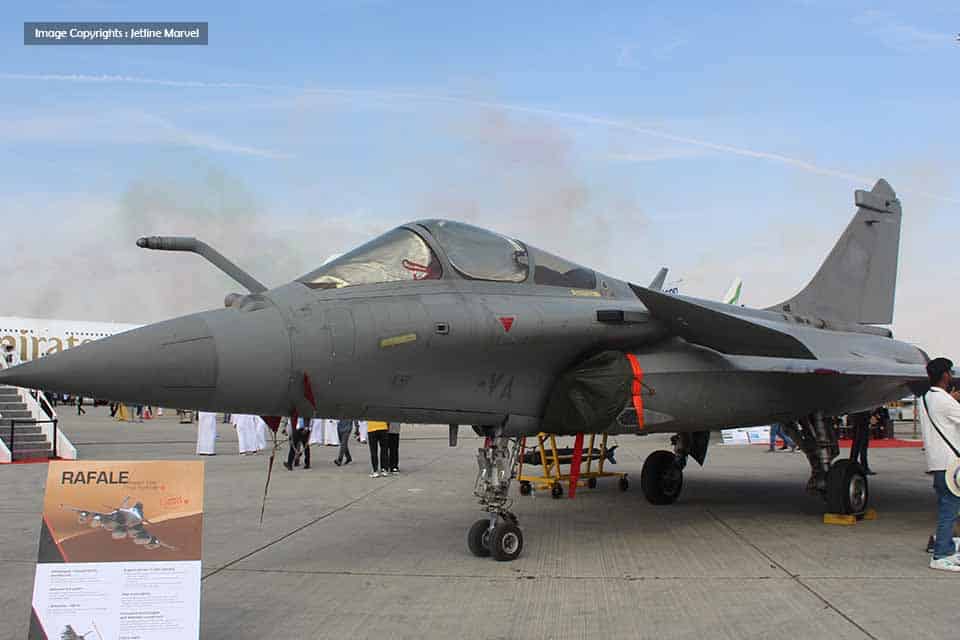
In the volatile world of defense stocks, few things can move markets quite like escalating geopolitical tensions—and Dassault Aviation’s stock is feeling the heat once again.
A Wild Ride for Dassault Aviation Shares
Dassault Aviation has experienced a rollercoaster ride in the stock market this year, with its shares seeing an impressive 66% surge in 2025, largely fueled by rising geopolitical tensions between India and Pakistan.
The manufacturer of the Rafale fighter jet has been in the spotlight, particularly after India’s use of the Rafale in precision strikes against terror sites in Pakistan-occupied Kashmir (PoK) and Pakistan’s terror camps.
However, just as quickly as the stock soared, it experienced a sharp decline of 6% on May 7, 2025, sparking concerns about the impact of geopolitical unrest on the company’s market value.
Geopolitical Tensions and Market Fluctuations
The decline in Dassault Aviation’s stock came amid speculation about an unverified report claiming that a rafale fighter jets had been shot down inside Pakistani territory, which further escalated market uncertainty. Though these reports have yet to be confirmed, they stirred anxiety among investors, highlighting how sensitive the defense sector is to shifting geopolitical dynamics.
Despite the setback, rafale dassault prospects remain closely tied to the Indian Air Force’s reliance on its Rafale jets, with India currently operating 36 Rafales and approving the purchase of 26 additional naval variants. The strategic importance of the rafale jet shares drop in India’s military operations, particularly following the recent airstrikes, has solidified its role as a cornerstone of India’s defense modernization efforts.
The Rafale’s Operational Success and Global Strategy
For Dassault Aviation, the rafale india real-world success plays a crucial role in their global marketing strategy, as the company competes for international defense contracts. The operational effectiveness of the Rafale in real combat scenarios provides a strong selling point to other nations evaluating fighter jets for their own air forces.
In contrast to Dassault, j10c vs rafale Chengdu Aircraft Corporation, the Chinese manufacturer of the J-10C fighter jet, saw its stock rise by 18.18% amid unconfirmed reports that Chinese-origin jets were involved in recent Pakistan Air Force (PAF) operations. The speculation boosted confidence in Chinese military technology, highlighting the intense competition in the fighter jet market.
India’s Growing Dependence on Rafales
India’s dependence on the rafale continues to grow, with 26 additional naval variants set to join the fleet. This decision further cements the Rafale’s role in India’s defense strategy, ensuring Dassault Aviation remains a key player in India’s military landscape despite short-term market volatility.
Looking Ahead: Volatility and Long-Term Outlook
The Indian stock market experienced a sharp drop last Friday but managed to rebound as the day progressed. Market participants remain optimistic about the long-term growth potential of the defense sector, but short-term volatility remains a concern, especially if tensions between India and Pakistan escalate further.
