
Aviation
Can Airline Seat Cushions Be Used As Life Jackets?

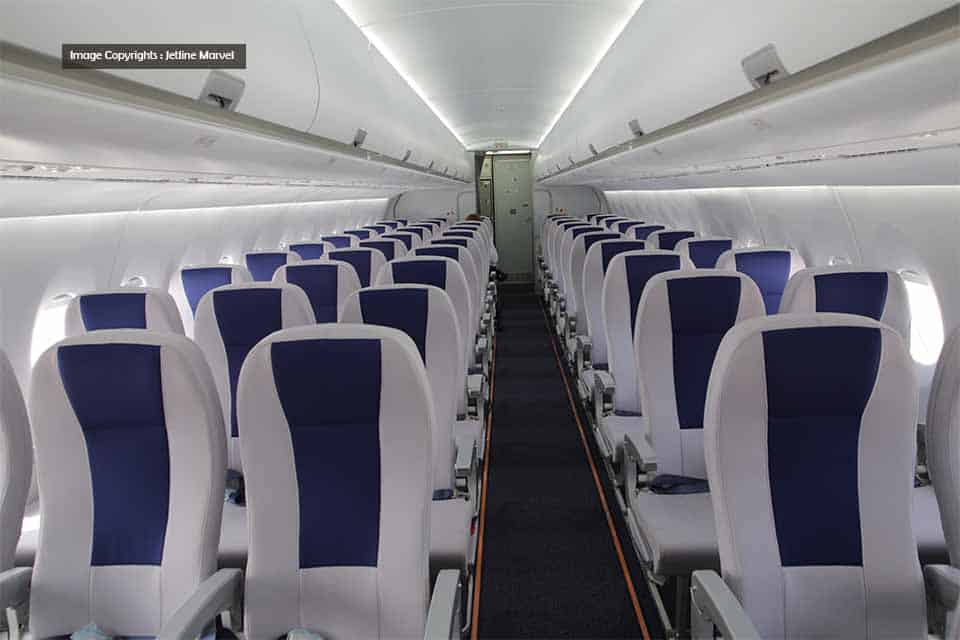
In the event of an aircraft ditching into water, there’s a common question: Can aircraft seats serve as an alternative to life jackets for flotation? The answer lies in understanding their respective functions.
While seat cushions can provide some buoyancy in water, they are not intended nor certified to function as life jackets. Their primary purpose is to offer cushioning for passengers during flight. On the other hand, life jackets are meticulously engineered to keep individuals afloat in water, equipped with buoyancy materials, secure straps, and reflective elements for visibility. They offer numerous advantages over mere cushions.
While a seat cushion might offer temporary assistance in staying afloat, it’s not a dependable substitute for a proper life jacket during an emergency. It’s crucial to utilize approved safety equipment when near bodies of water. A life jacket, designed to keep a person buoyant for extended periods, offers the rigidity needed for prolonged flotation and allows for easy movement of the arms to navigate effectively.
What fabric is used in aircraft seats?
Seats are meticulously designed to fulfill multiple purposes, ensuring passenger comfort, safety, and protection from unforeseen circumstances like fires and accidents. A typical design incorporates an aluminum frame with blocks of polyurethane foam affixed to it. Additionally, a layer of fire-resistant fabric, such as Kevlar or Nomex, is often applied over this framework, topped with a layer of cloth or leather.
Leather seats, while luxurious, are more expensive compared to traditional cloth seats. The majority of fabrics used in seat upholstery contain at least 90% wool fiber, with the remainder typically consisting of polyamide (nylon). Wool stands out as the primary fiber chosen for commercial airline seating fabric due to its desirable properties and suitability for such applications.
What is the lightest economy seat?
In recent times, airlines have been downsizing seat dimensions to accommodate more passengers, resulting in reduced cushion length and leg space. This contrasts with earlier times when airlines offered more generously cushioned seats and ample amenities.
According to Recaro Seats Company, their SL3710 model represents the lightest economy class seat available, weighing in at a mere 8 kg (17.6 lb.), setting a new standard in aircraft seating.
For individuals weighing more than 350 pounds, fitting into a standard economy-class seat can be a challenge due to the narrower dimensions. Economy seats, also referred to as “coach,” “standard,” or “main cabin” seats, typically range from about 40 to 48 centimeters in width, further emphasizing the need for more accommodating seating options.
