Aviation
Boeing Sells Wisk Aero to Archer Aviation: The Flying Taxi Race Heats Up

Boeing Sells Wisk to Archer Aviation: Is This a Win for the Flying Taxi Race?
A major shake-up is taking place in the advanced air mobility industry, with Archer Aviation acquiring three Boeing businesses — Wisk Aero, SkyGrid and Insitu — in an all-equity deal.
The deal could become one of the biggest moves yet in the race to develop electric air taxis, autonomous aircraft and next-generation urban air mobility.
Under the proposed transaction, Boeing would receive Archer Class A shares equivalent to roughly 19.75% of Archer’s outstanding Class A shares before closing, or around 16.5% after the new shares are issued, subject to adjustments related to cash, debt and transaction expenses.

Boeing would also receive a warrant to purchase up to $200 million of Archer stock and would retain certain voting rights, including the ability to nominate a director.
But perhaps the most important part of the deal is that Boeing will continue to have access to Wisk’s autonomous flight technology through technology-sharing and cross-licensing agreements covering current and future commercial and defense aircraft.
Why Is Archer Aviation Buying Wisk Aero?
For Archer Aviation, this is much bigger than simply acquiring another eVTOL company.
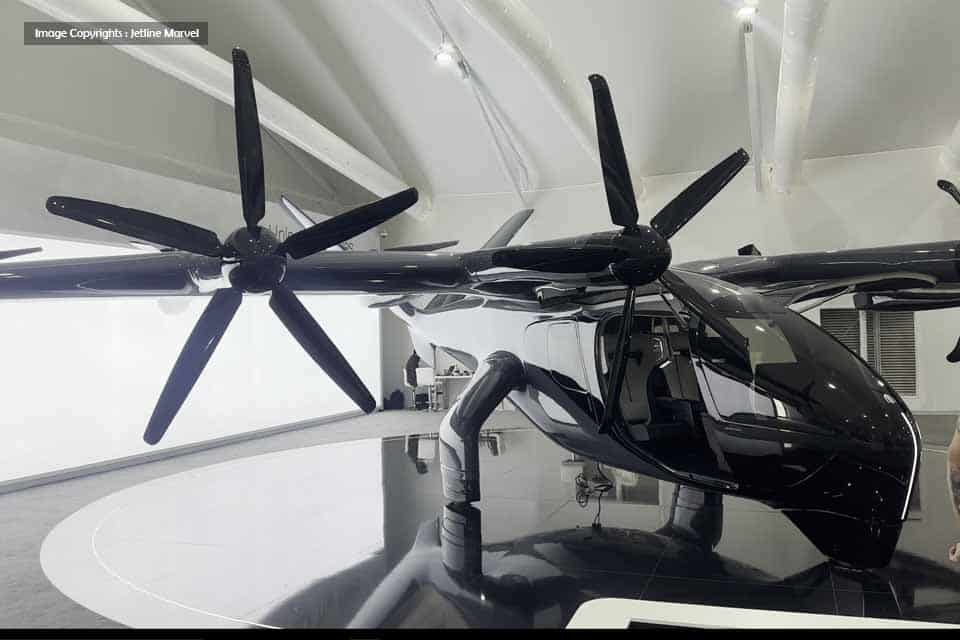
Archer is already developing its Midnight electric air taxi, which is designed for commercial passenger operations. By bringing Boeing Wisk aircraft, SkyGrid and Insitu into its portfolio, Archer would expand beyond piloted eVTOL aircraft into autonomous flight, unmanned aerial systems, air traffic management and defense technology.

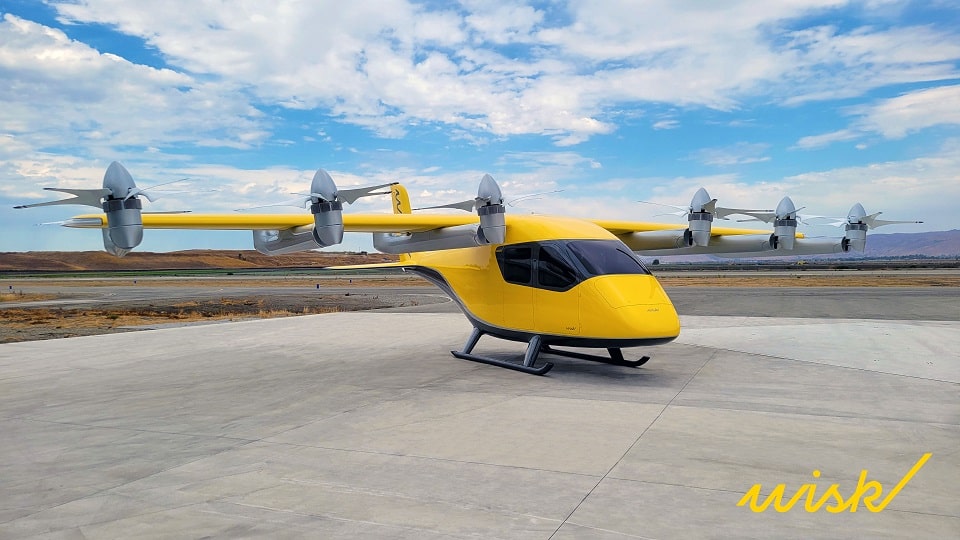
Wisk air taxi Aero brings years of experience in autonomous eVTOL technology and has conducted extensive flight testing during its development programme.
SkyGrid adds expertise in airspace management and autonomous aviation, while Insitu brings an established unmanned aircraft business with operations across multiple countries and significant annual revenue.
Together, these businesses could give Archer a much broader position in the emerging autonomous aviation and advanced air mobility market.
Archer Is Moving Faster in the Flying Taxi Race
The market reaction shows how investors are viewing the deal.
Archer Aviation shares jumped sharply following news of the acquisition, while Boeing shares moved lower.
The reason is relatively straightforward.
Archer is viewed by investors as a company focused directly on the future of electric flying taxis and eVTOL aircraft, while Boeing is a much larger aerospace company dealing with multiple major programmes, including the 777X, 737 MAX, defense aircraft and commercial aircraft production.

Archer’s strategy is to build an end-to-end aviation technology platform covering electric aircraft, autonomous flight, artificial intelligence, air traffic management and unmanned systems.
That could give the company a stronger position as the urban air mobility market develops.
But What About Boeing?
This is where the deal becomes particularly interesting.
Boeing has spent years supporting Wisk company development, but the company has not moved as quickly toward commercial autonomous air-taxi operations as some competitors.
Meanwhile, Boeing has several major programmes demanding enormous amounts of engineering resources and investment.
The Boeing 777X remains one of the company’s biggest priorities as it moves through flight testing and the lengthy FAA certification process.
At the same time, Boeing is working toward certification of additional 737 MAX variants, including the 737-7, while dealing with production, quality-control and delivery challenges across its commercial aircraft business.
From that perspective, selling Wisk Aero stock could allow Boeing to reduce the amount of capital and management attention dedicated to a longer-term flying-taxi programme while still retaining exposure to the technology and the future growth of Archer.

Wisk vs Archer: Who Was Moving Faster?
This is probably the most important question.
Wisk Aero has been developing autonomous eVTOL technology for years and has demonstrated several generations of its aircraft concept.
However, Archer Aviation has been much more visible in the race toward commercial eVTOL operations, particularly with its Midnight aircraft and partnerships aimed at launching electric air-taxi services.
Archer has also been aggressively pursuing FAA certification and building relationships around future commercial air-taxi operations.
That difference in development speed may help explain why Archer is now taking control of Wisk’s technology and assets.
The Bigger Race: Autonomous Flying Taxis
The aviation industry is moving toward a future where electric vertical takeoff and landing aircraft, or eVTOLs, could provide short-distance passenger transportation in major cities.
Companies are competing to develop aircraft that can operate as electric air taxis, initially with pilots and eventually with increasing levels of autonomy.
The long-term goal is even more ambitious: autonomous flying taxis capable of transporting passengers without a traditional pilot onboard.
That makes Wisk’s autonomous flight technology particularly valuable.
For Archer, the acquisition could accelerate its transition from an eVTOL aircraft developer into a broader autonomous aviation and air mobility company.