
Defence
B-52J Won’t Be Ready to Fly Until 2033: Here’s Why

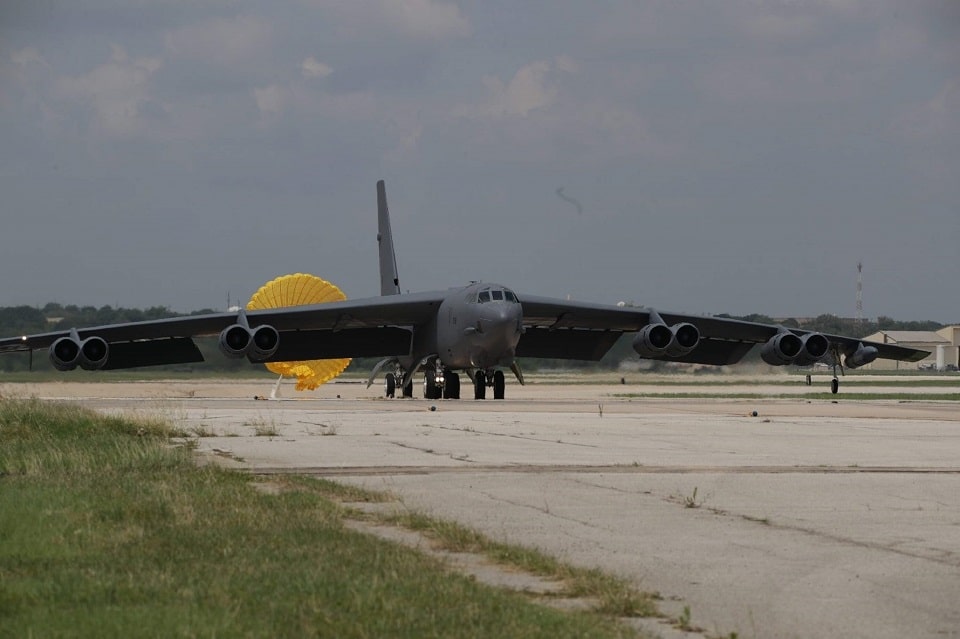
The B-52J Stratofortress has been a cornerstone of U.S. military aviation for over 70 years. In this article, we will learn why the B-52J is facing delays in its readiness, with an expected initial operational capability (IOC) now set for 2033.
The latest B-52J variant is slated to reach initial operational capability (IOC) in 2033, three years later than previously expected. This delay is largely due to challenges in the upgrade process, which includes incorporating advanced technologies into the aging platform.
Vistara-Air India Merger Update: New Loyalty Benefits and Flight Integration
The upgraded B-52J will feature state-of-the-art cockpit displays, new landing gear, and improved electrical systems, all designed to enhance performance and reliability.
One of the most notable improvements will be a new radar system, merging capabilities from the Boeing F-15 and F/A-18. This modern radar is set to replace the older APG-166 analog radar, which has become less reliable over time. The new system aims to deliver better targeting information, navigation aids, and weather data, improving the bomber’s effectiveness in both conventional and nuclear missions.
However, the path to this modernization has not been smooth. The Air Force has faced delays and increased costs, primarily due to underestimating the funding needed for the detailed design phase of the re-engining project. The B-52J will be fitted with Rolls Royce F130-200 engines, paired with new nacelles, pylons, and control systems. Boeing is overseeing this integration process.
Air India and Singapore Airlines Expand Codeshare to 51 New Destinations
As the program has progressed, officials realized that the funding available was insufficient to cover the proposals for the necessary design work. This situation led to a slowdown in progress and further delayed the awarding of contracts for essential materials. Additionally, the Air Force has sought input from pilots and maintainers during the design phase, resulting in some design changes to enhance maintainability. For example, service panel hinges were redesigned for easier access.
While these steps aim to improve the aircraft’s overall design, concerns remain. The Government Accountability Office (GAO) has noted that the program does not plan to conduct integrated, systems-level testing in an operational environment before production begins. This lack of testing could heighten production risks and lead to unforeseen issues down the line.
