
Aviation
Airbus partner with Air New Zealand’s hydrogen ecosystem to deploy Hydrogen Hub

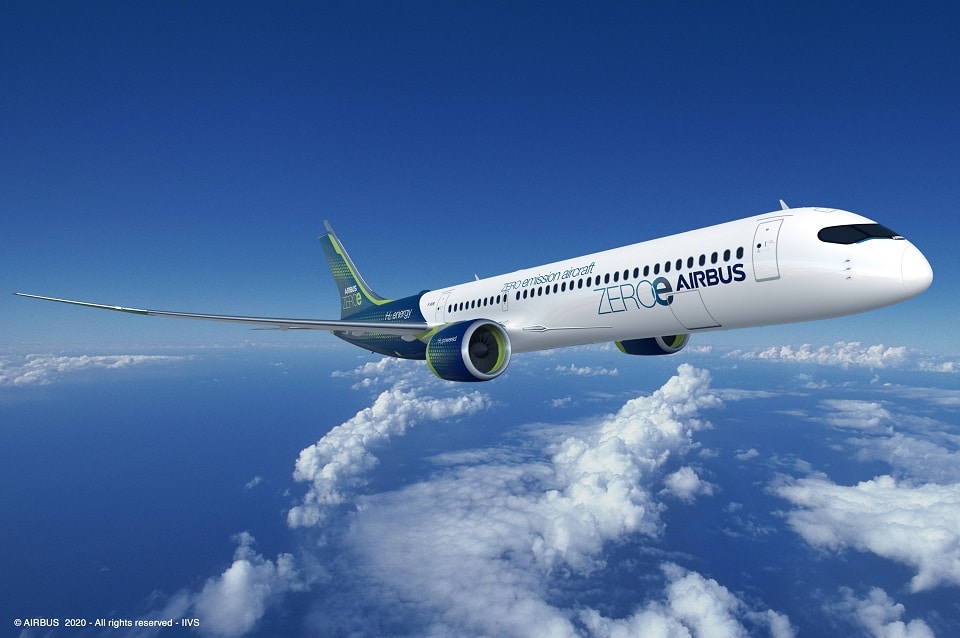
The Hydrogen Consortium’s vision is to support the country to pioneer the commercial deployment of green hydrogen-powered aircraft.
The partners are international aerospace leader Airbus, global green energy company Fortescue Future Industries (FFI), leading world airline Air New Zealand, next-generation energy company Hiringa Energy, liquid hydrogen solution pioneers Fabrum and New Zealand’s Christchurch Airport.
Airbus reveals hydrogen-powered zero-emission engine(Opens in a new browser tab)
The Hydrogen Consortium was launched at Christchurch Airport, which is developing a 400-hectare renewable energy precinct called Kowhai Park. “The Hydrogen Consortium will see some of the world’s best experts collaborate on one of the most promising zero emission fuels – green hydrogen.”
Airbus is working to develop and put into service the world’s first hydrogen-powered commercial passenger aircraft by 2035. In close cooperation with its partners, Airbus will factor in aviation’s requirement for hydrogen in New Zealand. Using its hydrogen hubs at airports concept, Airbus will engage with aviation and non-aviation players to perform a complete assessment of energy supply needs to enable the operation of hydrogen-powered aircraft.
Christchurch liquid hydrogen solutions company Fabrum recently designed the hydrogen-powered technology for the Emirates Team New Zealand chase boat (Chase Zero) and has developed lightweight liquid hydrogen fuel tank technology for aviation use.
Universal Hydrogen receives approval from FAA to begin flight tests(Opens in a new browser tab)
Hiringa Energy is a pioneering green hydrogen developer, producer and supplier. It’s constructing key infrastructure to support New Zealand’s transition to green hydrogen in multiple transport sectors including aviation, marine, and heavy road transport. Hiringa’s first four production and high-capacity refueling stations are coming online in 2023, with nationwide expansion planned from 2024.
