
Aviation
What is the new Impossible food menu on United Airlines?
United Airlines is introducing two new Impossible Foods menu.

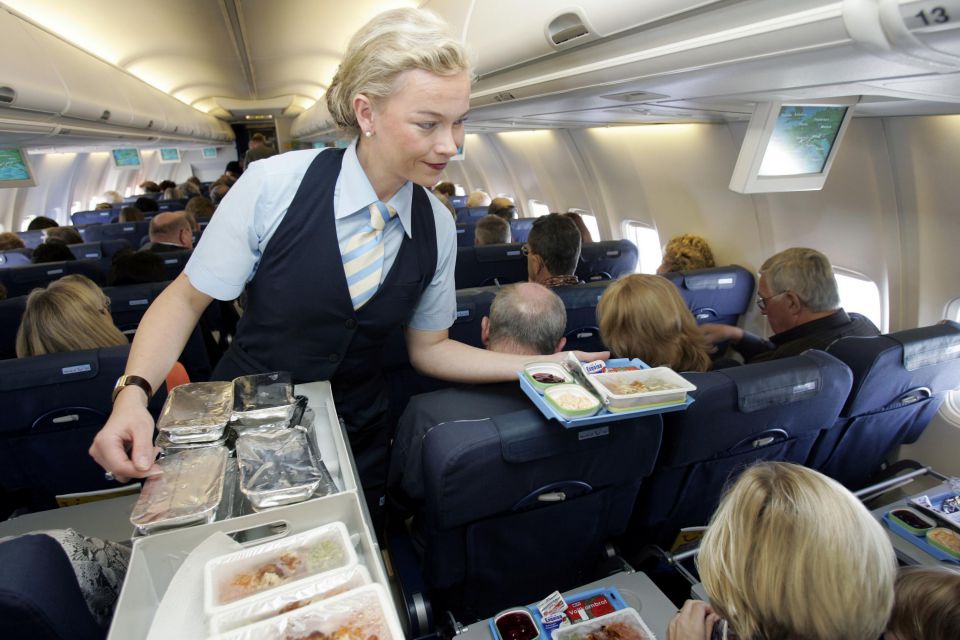
As part of a new initiative by the airline to expand its plant-based cuisine, United Airlines is introducing two new Impossible Foods menu items on some flights and in some airport lounges.
Air India introduces new menu in domestic flights with trendy foods.(Opens in a new browser tab)
The United-exclusive Impossible™ Meatball Bowl is now offered to first-class passengers on all domestic flights longer than 800 miles in the continental U.S. as a result of a new partnership between United and Impossible Foods. The Impossible™ Sausage is offered in the Polaris® lounges in Chicago, Los Angeles, Newark, and San Francisco.
The Impossible Meatball Bowl includes three Impossible Meatballs™ Made From Plants, broccolini, and couscous. A tomato sauce flavoured with herbs is drizzled on top. Impossible Meatballs are created with a special blend of Impossible Beef™ Made From Plants and Impossible Sausage and are seasoned with a savory, traditional spice mixture. Additionally, Impossible Sausage breakfast patties will be available at the buffet at the Polaris lounges at Chicago O’Hare, Los Angeles, Newark, and San Francisco airports during the breakfast period.

Impossible Meatball Bowl, available exclusively to United Airlines customers
Impossible Foods is on a mission to create delicious, nutritious meat made from plants with a far lower environmental impact compared to meat made from animals. Impossible products are designed to look, cook and taste like animal meat, delivering the crave-worthy benefits of meat without many of the negative qualities. Both Impossible Meatballs and Impossible Sausage are good sources of protein and other essential nutrients while containing 0 mg cholesterol and trans fat, and no animal hormones or antibiotics.
Furthermore, they require a fraction of the land use, water consumption, and greenhouse gas emissions associated with producing their animal meat counterparts, according to preliminary lifecycle analyses.



