
Airlines
United Airlines’ New Rule: 8-Hour Advance Sick Notice Required for Flight Attendants

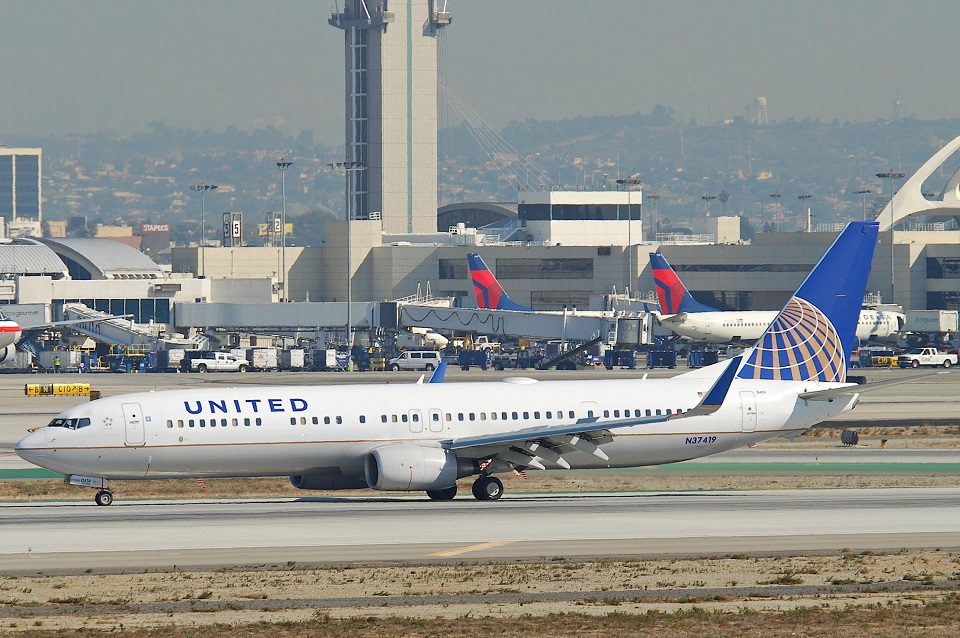
Flight attendants play a crucial role in ensuring safe and comfortable travel, often enduring long hours and demanding schedules. To maintain their health and performance, they sometimes need to take sick leave.
However, United Airlines has implemented a strict policy requiring flight attendants to provide at least eight hours’ notice when calling in sick. While aimed at minimizing disruptions, this policy has sparked controversy among employees and their union representatives.
Key Features of United Airlines’ Sick Leave Policy
- Eight-Hour Notice Requirement:
Flight attendants must inform the airline at least eight hours before their scheduled shift if they are unable to work due to illness. This rule helps United Airlines reduce flight delays and cancellations caused by last-minute crew shortages. - Dual-Disciplinary Approach:
If flight attendants fail to meet the eight-hour notice, they may face two consequences:- Performance Warning: A formal record of the infraction.
- Attendance Points: These points can accumulate and lead to further disciplinary actions or even termination if thresholds are exceeded.
- Emergency Waivers:
In genuine emergencies, United Airlines may waive performance warnings. However, employees must provide evidence to validate the emergency, subjecting them to additional scrutiny.
Legal Challenge and Union Opposition
The Association of Flight Attendants (AFA-CWA), representing United’s flight attendants, challenged this policy, calling the dual-disciplinary method unfair. They referred to it as “double dipping,” arguing that penalizing employees twice for the same infraction is unjust.
Despite these objections, arbitrators ruled in favor of United Airlines, stating that the eight-hour notice rule is clearly outlined in the flight attendants’ contract. This decision affirmed the airline’s right to enforce both performance warnings and attendance points for short-notice sick calls.
Balancing Operational Needs and Employee Well-Being
United Airlines defends the policy as essential for maintaining its flight schedule and minimizing disruptions. However, the policy has faced criticism for potentially impacting employee morale and job security.
- Efficiency vs. Morale: While the policy supports operational efficiency, critics argue it places unnecessary pressure on flight attendants, discouraging them from taking sick leave even when needed.
- Employee Rights: The union continues to advocate for fair treatment, emphasizing the importance of respecting employees’ health and well-being while addressing operational challenges.



