
Defence
Iran Feels Betrayed: Cracks Emerge in Tehran-Moscow Relations Amid Middle East Crisis
Despite a 20-year pact and military cooperation, Iran feels abandoned by Russia amid war, espionage leaks, and shifting alliances toward China.

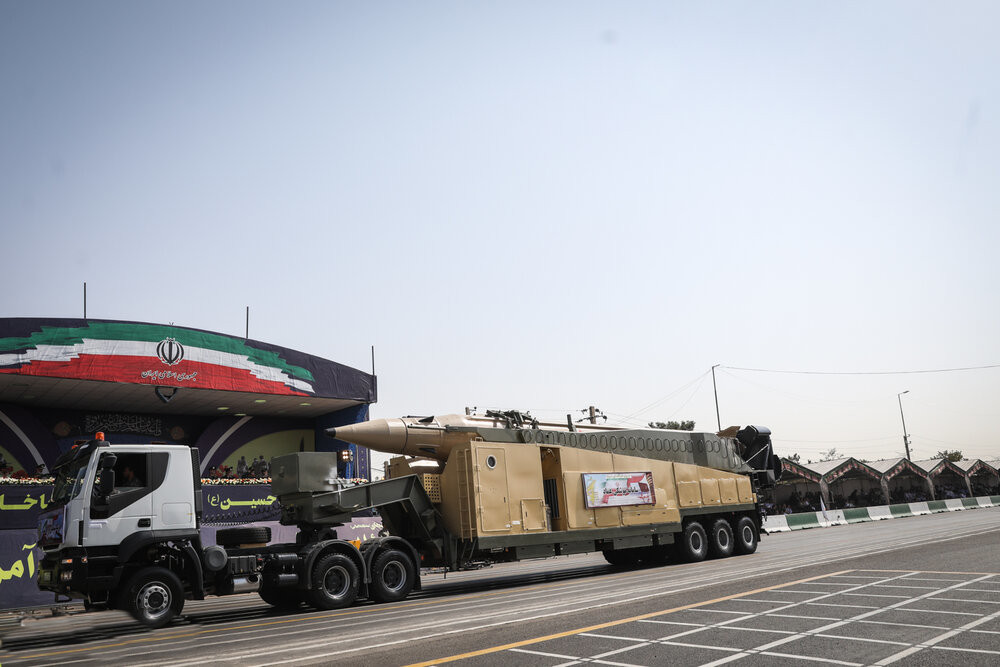
As tensions flare across the Middle East, Iran is increasingly frustrated with its long-time strategic partner—Russia. Despite years of cooperation based on shared goals such as countering U.S. influence, supporting the Assad regime in Syria, and deepening economic ties, the latest developments reveal growing cracks in the Tehran-Moscow relationship.
Iran has provided significant support to Russia in recent years, supplying drones and ballistic missiles for the war in Ukraine. In return, both countries signed a 20-year strategic partnership agreement in early 2025. However, this partnership lacks the formal obligations of a military alliance, and recent events have exposed its limitations.
Following the June 2025 Israel-Iran conflict—during which U.S. and Israeli forces launched airstrikes on Iranian nuclear facilities—Iran expected Russia to respond with military and material support. But that support never came.
Over 12 days of hostilities, Moscow offered only verbal condemnation of the strikes, with no tangible aid. Sources within Iran expressed deep disappointment, with one official stating that Tehran felt “betrayed” after Russia failed to deliver promised fighter jets and instead offered only symbolic gestures.
The situation grew more tense as reports emerged—particularly from Axios—alleging that Russian President Vladimir Putin had encouraged Iran to accept a “zero-enrichment” nuclear deal proposed by the United States.
This would have required Tehran to completely halt uranium enrichment. While these claims were strongly denied by Russia’s Foreign Ministry—labeling them a smear campaign—Tehran’s semi-official Tasnim News Agency also confirmed that no such proposal was received.
Adding further fuel to the fire, leaked documents from Russia’s Federal Security Service (FSB) revealed that Iran has allegedly been engaged in espionage operations against Russia, targeting its military and nuclear technologies. The FSB reportedly views Iran more as a potential adversary than a trustworthy partner. This revelation exposes the deep mistrust behind the scenes, despite the appearance of unity.
Russia did try to project public support. Foreign Minister Sergei Lavrov condemned the U.S. and Israeli strikes as violations of international law and the non-proliferation treaty. Moscow also backed a UN Security Council draft resolution condemning the attacks. Kremlin spokesperson Dmitry Peskov stated that Russia “truly supports” Iran and dismissed any speculation of weakening ties.
But Iran isn’t convinced.
The failure to receive concrete military assistance—combined with alleged betrayal through espionage accusations and unmet weapons deals—has left Iranian leadership disillusioned. Reports now suggest that Iran is shifting its defense focus toward China, with expectations to acquire more J-10 fighter jets instead of waiting on delayed or undelivered Russian aircraft.
Russia’s ongoing war in Ukraine may partly explain its inaction. With its own military resources stretched thin and strategic priorities focused on the European front, Moscow may simply be unable to assist Iran at this time. Nonetheless, for Tehran, this does little to ease the sting of unmet expectations.
Final Thought:
With cracks widening in the Iran-Russia partnership, a critical question emerges: How should Iran respond if Moscow continues to withhold support in times of regional crisis? Should Tehran maintain this uneasy alliance, or begin realigning its strategic interests elsewhere?
For more aerospace news, check out JetlineIntel.
Want to buy aviation merchandise? Visit Jetshop.in.
To read Jetlinemarvel’s updates on Google News, head over to Google News.
