
Aviation
Iran Expresses Interest in Acquiring Pakistan’s JF-17 Fighter Jets

Amid escalating tensions in the Middle East between Israel and various Arab nations, many Arab countries are targeting Israel. However, they lack the sophisticated weaponry needed to effectively challenge it.
Western countries and NATO allies, including Egypt and Turkey, are also unwilling to offer support. The only viable option left for these nations is to procure arms from China or Russia.
In response to the ongoing conflict, Iran has shown renewed interest in acquiring Chinese fighter jets. Although Iran attempted to purchase the J-10 aircraft from China in 2021, the deal was complicated.
Federal Court Imposes $100M Fine on Qantas for “Ghost Flights” Scandal
China hesitated to finalize a barter agreement due to Iran’s cash-strapped situation. Tehran is reportedly interested in acquiring 36 advanced J-10C jets, but finding the necessary funds poses a significant challenge. While China initially considered exchanging weapons for oil, it ultimately required payment in foreign currency, leading to the deal’s failure.
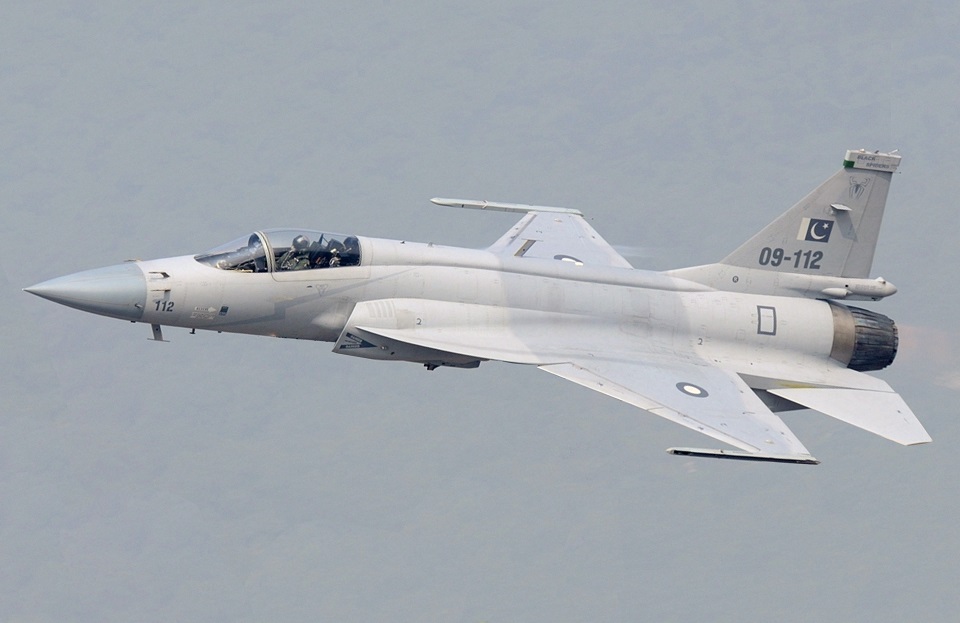
As per the sources Inshort Now, Iran has approached Pakistan to buy the jf 17 C Block III fighter jet—one of the most popular options in the global defense market, known for its affordability, advanced technology, and combat effectiveness.
Embraer Opens Applications for 2025 Software and Data Science Training Initiative
This request marks a strategic shift in regional power dynamics, particularly with Turkey’s involvement in key subsystems adding complexity to the arrangement. The demand for the JF-17 C Block III, developed jointly by Pakistan Aeronautical Complex and China Aerospace Corporation, is rapidly increasing.
The JF-17 is a cost-effective alternative to Western and Russian platforms, making it especially appealing to countries looking to upgrade their air forces without investing billions in next-generation fighters like the F-35 or Su-57.
Equipped with advanced features, including an active electronically scanned array radar, beyond-visual-range missiles, a helmet-mounted display system, and integrated electronics, the jf 17 offers a balanced mix of air-to-air combat proficiency and precision ground attack capabilities.
Countries like Azerbaijan, Myanmar, and Nigeria already operate the JF-17, with Block III deliveries anticipated soon. Iran’s formal request for the JF-17 C Block III signifies a potential shift in the global defense landscape.
Airbus and French Aerospace Firms Growing Exports from India
With ongoing sanctions from the West, this deal could significantly enhance Tehran’s air combat capabilities without falling under U.S. or European scrutiny.
The inclusion of Turkish subsystems, which comprise avionics and other critical components, adds sophistication to the deal, making it particularly valuable for Iran. If successful, the Iranian Air Force would experience substantial upgrades.
The JF-17 C Block III’s advanced avionics, BVR capabilities, and AEW radar would equip Iran with a modern fighter jet capable of addressing threats from adversaries like Israel and Saudi Arabia, thereby bolstering its regional air power and defense interests.
The jf 17 azerbaijan III, with speeds exceeding Mach 2 (approximately 2,470 kilometers per hour), boasts agility and maneuverability crucial for air combat. Its main advantage lies in cost-effectiveness, priced at roughly half that of the F-16 Fighting Falcon, estimated at around $25 million per plane.
However, this figure may not fully account for all factors in the deal, including training, spare parts, missiles, and other necessary add-ons that could increase the total cost.
