
Aviation
India Introduces New Aviation Rules 2026, Replacing 1937 Aircraft Rules

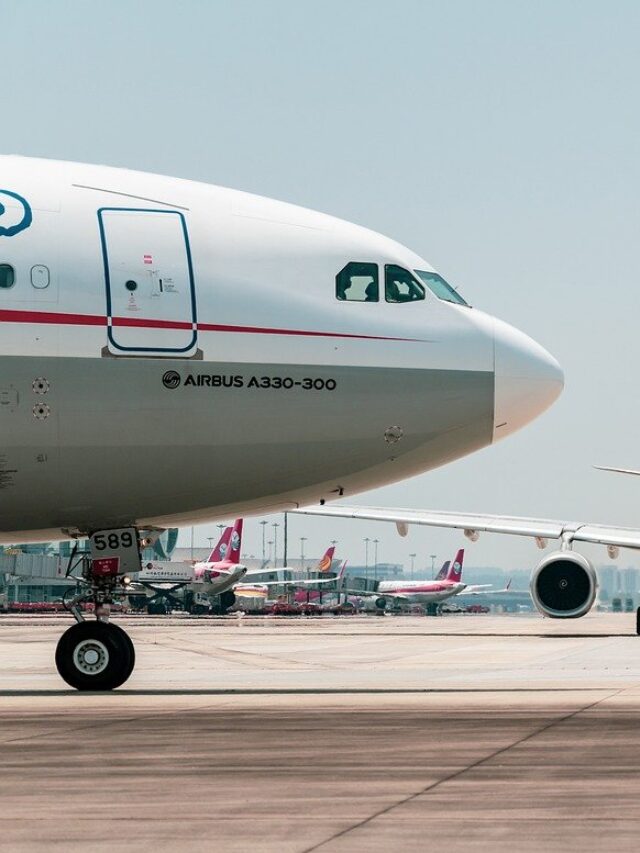
India’s New Aviation Rules 2026 Replace Aircraft Rules 1937
India to Implement New Aviation Rules from January 2027 India is preparing for a major regulatory transformation in its civil aviation sector with the introduction of the Bharatiya Vayuyan Niyam, 2026. The new aviation regulations will replace the decades-old Aircraft Rules, 1937, introducing an updated framework covering aircraft operations, safety standards, licensing, airport management and passenger protection.
220 Rules Across Eight Chapters
The 1937 Aircraft Rules, 2026 comprises 220 rules organised into eight chapters and six schedules. The framework covers several critical areas of civil aviation, including:
- Aircraft registration and identification
- Aircraft airworthiness, maintenance and certification
- Pilot and aviation personnel licensing
- Aerodrome licensing and airport safety
- Air navigation services
- Aircraft operations and airline regulations
- Aviation safety oversight and enforcement
- Offences, penalties and appeals
The new framework aims to strengthen aviation safety while simplifying regulatory procedures and supporting the continued expansion of India’s aviation industry.
New Rules Cover Aircraft Manufacturing and Certification
The updated regulations introduce provisions covering aircraft design, certification and component manufacturing. The Directorate General of Civil Aviation (DGCA) will have powers to issue or validate aircraft, engine and propeller type certificates under prescribed conditions.
The rules also establish requirements for aircraft maintenance, inspections, airworthiness certification and technical compliance, potentially supporting India’s ambitions to expand its aviation manufacturing and maintenance ecosystem.
Aircraft Leasing and Fractional Ownership
One of the notable developments is the formal recognition of fractional aircraft ownership, allowing multiple parties to jointly own an aircraft under defined operational and maintenance responsibilities.
The framework also incorporates provisions facilitating aircraft deregistration and export under the applicable international aircraft leasing arrangements.
Eligible deregistration applications submitted by authorised IDERA holders must be processed within five working days, subject to the prescribed requirements. These provisions could improve aircraft leasing flexibility and strengthen India’s attractiveness as an aviation financing market. Nyaya Portal+1
Passenger Protection and Airline Fares
The new aviation rules also address passenger interests and airline fare transparency.
Airlines will be required to publish tariffs digitally, with booking platforms and tickets displaying the total payable amount and a breakdown of fares, taxes, fees and additional charges.
The government may also issue proportionate and time-bound directions during extraordinary circumstances in the public interest.
India Strengthens Aviation Safety and Regulatory Oversight
The Bharatiya Vayuyan Niyam, 2026 introduces provisions concerning aviation safety management systems, regulatory inspections, mandatory and voluntary safety reporting, and enforcement mechanisms.
The rules also establish a graded penalty structure, with monetary penalties ranging from ₹10,000 to ₹1 crore depending on the nature and severity of violations.
Certain offences may attract imprisonment of up to two years, a fine of up to ₹1 crore, or both. The framework includes provisions for appeals and procedural safeguards. Nyaya Portal+1
India’s Aviation Industry Enters a New Regulatory Era
India’s civil aviation industry has experienced significant expansion over the past decade, with operational airports increasing from 74 in 2014 to 166 as of October 2026.
The introduction of the Bharatiya Vayuyan Niyam, 2026, represents an important step towards aligning aviation regulations with the industry’s growing scale, technological developments and operational requirements.
The new rules seek to balance aviation safety, passenger protection, regulatory accountability and ease of doing business, supporting India’s ambitions to become a major global aviation hub.
The regulations will officially take effect on January 1, 2027.

You must be logged in to post a comment Login