
Defence
Are Canada, Colombia, and Portugal Ready to Choose the Saab Gripen?
In a surprising twist to global fighter jet procurement, Canada, Colombia, and Portugal are now seriously considering Sweden’s Saab Gripen.

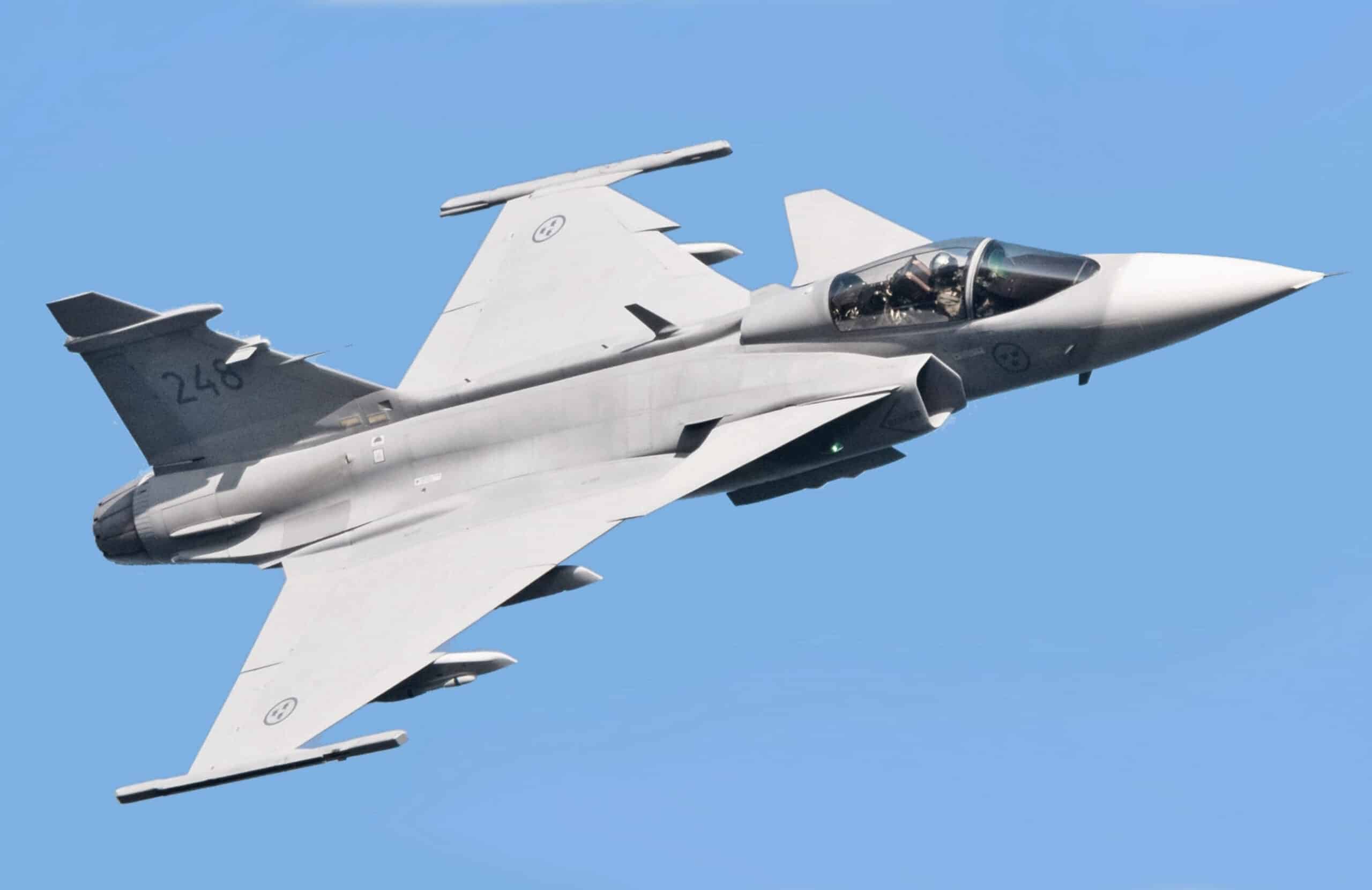
In a major twist to ongoing global fighter jet procurement decisions, Colombia, Portugal, and Canada are now evaluating Sweden’s Saab Gripen as a serious contender to modernize their aging air forces.
While Canada had previously committed to acquiring the F-35, rising concerns around interoperability and geopolitical dependencies—especially involving future U.S. administrations—are reportedly prompting a second look at alternative platforms like the Gripen.
Meanwhile, Saab’s CEO, Micael Johansson, has confirmed that advanced discussions are underway with Colombian authorities and that proposals are being actively prepared for both Canada and Portugal.
Colombia Eyes Gripen to Replace Israeli Kfirs
Colombia is currently in the market for 16 to 24 modern combat aircraft to replace its aging fleet of Israeli-made Kfirs, which have been in service since the late 1980s. The Saab Gripen is emerging as a strong contender in this competition, alongside the American F-16 and the French Rafale.
Saab officials remain optimistic about the Gripen’s prospects, touting its modern capabilities and cost-effectiveness, though the final aircraft count and contract value have yet to be disclosed.
Portugal Reevaluates Its U.S.-Centric Defense Ties
Portugal, traditionally a close military ally of the United States and a long-time F-16 operator under NATO obligations, is now reconsidering its options. Although initial estimates suggested that leasing new Gripen aircraft could be 30–40% more expensive—or even double the current defense costs—the recent offer from Saab has reportedly triggered serious deliberations within the Portuguese Ministry of Defense.
Canada previously selected the American-made F-35 to replace its fleet of 86 CF-188A/B Hornets. However, political uncertainties—particularly fears that a future Trump administration could restrict access to vital software upgrades and hardware—are now causing Canada to reconsider its reliance on the U.S. defense ecosystem.
Swedish media suggest that Saab is actively engaging with Canadian authorities, promoting the Gripen-E variant. Known for its low operating cost, versatility, and capability to take off from short or improvised runways.
Gripen’s Unique Selling Points
The JAS 39 Gripen is a lightweight, single-engine multirole fighter featuring delta wings and forward canards. Capable of reaching speeds up to Mach 2 and operating at altitudes around 59,000 feet, the aircraft is designed for both high performance and ease of deployment. Unlike many Western fighters, the Gripen can operate from roadways and remote locations, giving it a tactical edge in dispersed warfare scenarios.
Saab has consistently positioned the Gripen as a cost-effective yet technologically advanced solution. Despite its lack of stealth features compared to the F-35, the Gripen is seen as a more autonomous platform—ideal for countries looking to reduce dependence on foreign powers for critical system updates and parts.
