
Aviation
This aircraft won’t need a runway

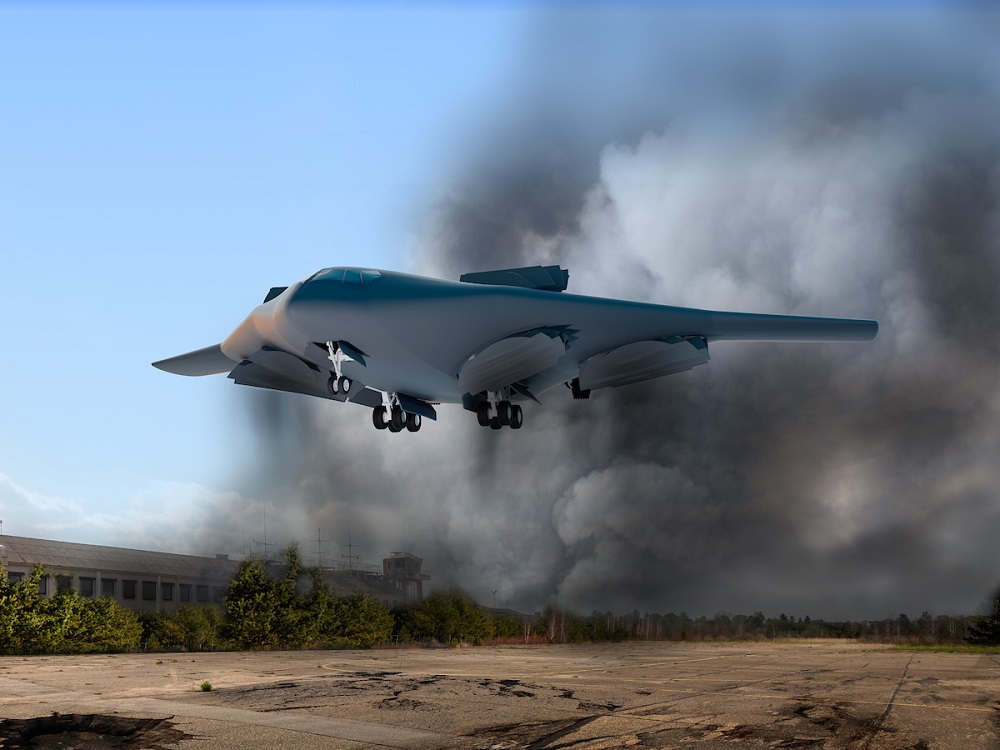
In aviation, continuous innovation pushes the limits of what’s possible. One groundbreaking development is an aircraft that eliminates the need for a runway, changing the way we approach takeoff and landing.
Imagine an aircraft capable of taking off and landing without relying on traditional runways. This cutting-edge design could transform air travel, enabling flights to operate from virtually any location.
Boeing to Slash 17,000 Jobs Worldwide Amid Ongoing Factory Strike
Aurora Flight Sciences, a Boeing subsidiary, is developing an innovative X-plane using fan-in-wing (FIW) technology to offer high-speed, runway-independent mobility for operations in contested environments. Recent renderings showcase a scalable vertical lift design aimed at enhancing airborne logistics and personnel recovery missions, especially in areas without prepared runways.
This project is part of the Defense Advanced Research Projects Agency (DARPA) Speed and Runway Independent Technologies (SPRINT) program. The goal of SPRINT is to design, build, and fly an X-plane that demonstrates critical technologies enabling a breakthrough combination of speed and runway independence.
Aurora and Boeing are collaborating to develop advanced technologies that address mobility challenges in contested zones and across distributed military bases. The FIW design integrates an embedded lift fan with a blended wing body, allowing vertical lift without compromising payload capacity and aerodynamic efficiency, typically seen in conventional fixed-wing aircraft.
Air India Poised for Another Game-Changing Order of Airbus A320s and A350s
The current design phase focuses on an uncrewed demonstrator with a 45-ft wingspan and a 1,000-pound payload capacity. Powered by off-the-shelf turbofan and turboshaft engines, this vehicle aims to reach speeds of up to 450 knots true airspeed (KTAS).
The technology showcased in the SPRINT X-plane could eventually scale up to medium and heavy-lift aircraft, potentially leading to a new family of systems. Aurora envisions future models, including a manned aircraft with a 130-ft wingspan, four lift fans, and a 40-ft payload bay. This FIW aircraft could rival traditional fixed-wing military transport aircraft in payload, range, and speed, while offering the tactical advantage of true vertical takeoff and landing.
The current phase of development continues through May 2025, with a preliminary design review set for April 2025. Flight testing is scheduled to begin in 2027.
