
Aviation
MoD Pins Ghatak UCAV Future on 2026 Dry Kaveri Engine Certification
With Dry Kaveri certification targeted for 2026, India’s Ghatak UCAV programme moves closer to becoming a fully indigenous, stealthy autonomous strike platform.

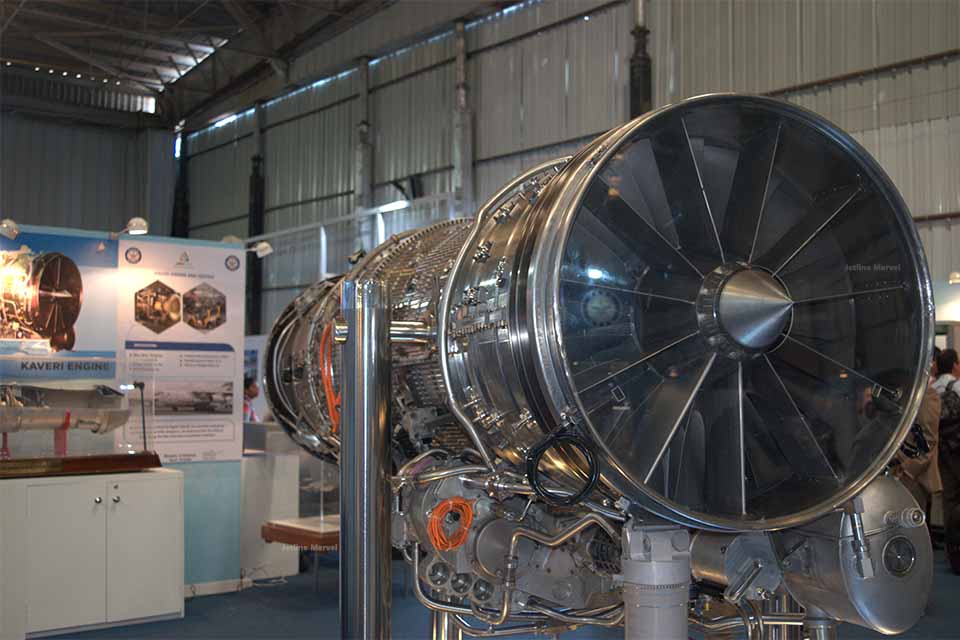
India stands on the brink of true aerospace self-reliance, rapidly expanding its indigenous defence manufacturing capabilities. At the heart of this ambition lies one of the most complex technologies any nation can master—a high-performance jet engine.
The success of India’s indigenous Kaveri engine programme is now critical not only for combat aircraft but also for the country’s future in autonomous warfare.
Every modern fighter or combat aircraft is defined by its engine, which determines performance, survivability, and operational reach. Recognising this, India began developing the Kaveri engine in the early 1980s to free itself from foreign dependence.
While the original ambition to power the LCA Tejas faced challenges, the programme has evolved into a strategic enabler for next-generation platforms.
The Ministry of Defence (MoD) has now set 2026 as a firm deadline for certifying the Dry Kaveri engine, a non-afterburning variant rated at approximately 49 kN thrust. This certification is considered a critical prerequisite for securing Cabinet Committee on Security (CCS) approval for India’s ambitious Ghatak Unmanned Combat Aerial Vehicle (UCAV) programme.
The Ghatak UCAV, a 13-ton-class stealth drone, is being designed for deep-penetration strikes, high-risk missions, and autonomous combat operations. The MoD has taken a decisive policy stance: Ghatak will fly with an indigenous engine from day one, ruling out any interim foreign powerplant solutions. This move reflects lessons learned from past delays caused by propulsion dependencies.
To support this effort, Larsen & Toubro (L&T) has been selected as the Development-cum-Production Partner (DCPP) for the Ghatak programme. While airframe, sensors, and mission systems are progressing in parallel, officials acknowledge that the Dry Kaveri remains the programme’s pacing item.
A final and crucial phase of high-altitude flight trials in Russia, using an Ilyushin Il-76 flying testbed, is scheduled to validate the engine’s performance envelope. Successful completion of these trials by 2026 will unlock the next stage of funding and full-scale development.
If CCS approval is granted on schedule, timelines project the first Ghatak prototype rollout by late 2029 or early 2030, followed by a maiden flight by end-2030 or early 2031.
In parallel, the Gas Turbine Research Establishment (GTRE) plans a limited flight validation campaign using an older Tejas Limited Series Production (LSP) aircraft post-2030. This aircraft will serve strictly as a flying testbed, aimed at de-risking integration and expanding the engine’s operational envelope. It will not be used operationally.
The MoD’s approach reflects a broader strategic shift—aligning engine maturity with platform approvals to prevent propulsion-related delays that have historically plagued Indian aerospace projects. A successful Dry Kaveri certification would therefore mark not just an engineering achievement, but a decisive step toward India’s autonomous combat aviation future.
For more aerospace news, check out JetlineIntel.
Want to buy aviation merchandise? VisitJetshop.in.
To read Jetlinemarvel’s updates on Google News, head over to Google News.
