
Airlines
IndiGo to Venture into New International Markets for Expansion

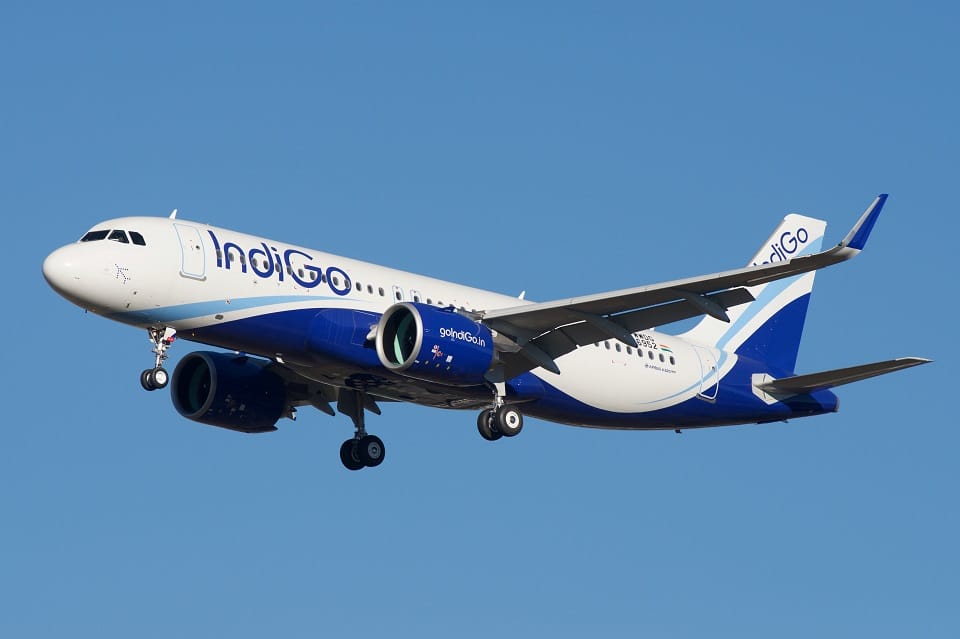
IndiGo, India’s largest airline, is set to focus its next phase of international expansion on lesser-known destinations while also increasing its presence in popular markets such as Singapore and Dubai.
This strategy was outlined by CEO Pieter Elbers during an interview with Reuters. The budget airline successfully ventured into Central Asia last year, launching flights to less-frequented cities such as Baku, Almaty, Tashkent, and Tbilisi, which are relatively free from major competition.
With more Indians eager to travel internationally and IndiGo set to receive its longer-range Airbus A321XLR planes next year, the airline aims to build on this strategy. In addition to this, IndiGo has announced a new codeshare partnership with Japan Airlines (JAL). This collaboration will initially enhance JAL’s connectivity into India, while future phases will offer IndiGo customers more options on JAL’s extensive domestic and international network.
“With the growing desire and aspirations of Indians to fly internationally, I think we have a great opportunity to also target lesser-known places,” Elbers said at the annual International Air Transport Association (IATA) meeting. He emphasized that while destinations like Singapore, Dubai, and Phuket remain popular, there is potential to add a new layer of destinations, particularly in Thailand and Central Asia. The A321XLR will also enable IndiGo to reach parts of Europe and further into Asia.
IndiGo, which reported a record profit of nearly $1 billion for the financial year 2023-2024, continues to deepen its presence in India, flying to 88 cities. The airline has also doubled its global network to 33 destinations from 15 over the past two years and plans to add 10 new domestic and international destinations this year.
Additionally, IndiGo offers connections to numerous European cities through its codeshare partnership with Turkish Airlines and has recently ordered 30 Airbus A350 wide-body planes, enabling it to reach destinations as far as the United States and Australia. Initially, IndiGo aimed to deploy 30% of its flying capacity into international markets by 2030, but Elbers indicated that this target will now be achieved sooner.
