
Aviation
Airbus A321XLR Reaches Final Phase of Certification Process

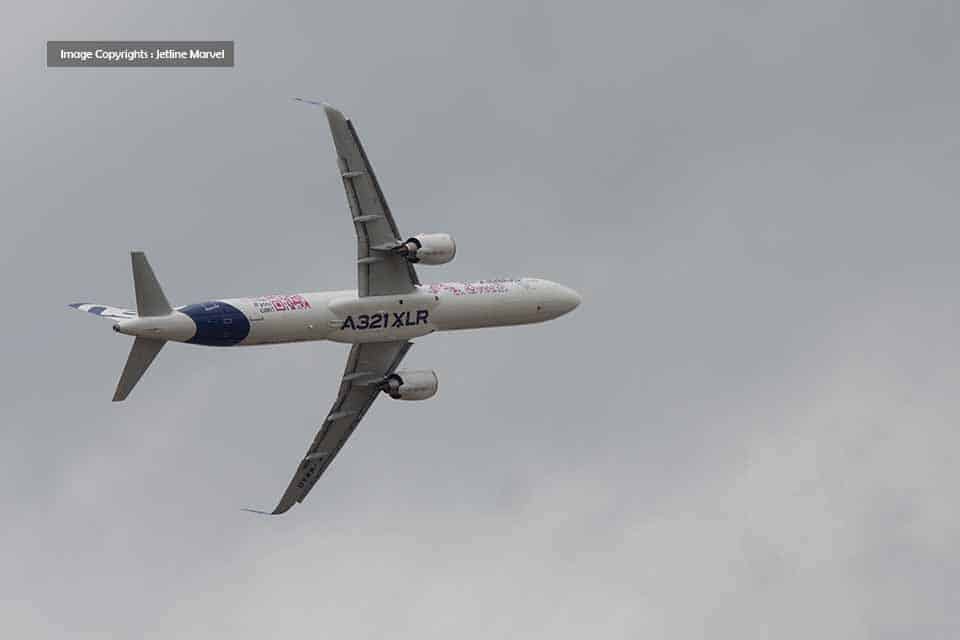
Airbus announced that the A321XLR, an ultra-long-range variant of the A320neo family, is now entering the final phase of its type certification campaign. This advanced jet, capable of seating up to 240 passengers, is set to enter service with Iberia by the end of the year.
The A321XLR’s certification and flight-test campaign is nearing its completion. Airbus is focusing on debriefing after recent route-proving flights and ensuring that the first operators have everything necessary for airworthiness compliance and operational support from day one. This preparation includes providing technical documentation, strategic spare parts, and on-site expert support to ensure smooth operations with the longest-range Airbus single-aisle airliner.
For the past four years, teams from Airbus‘ Customer Services department have been integrated into the A321XLR development team. This integration ensures that in-service feedback is incorporated into the aircraft design, and all new components are assessed for potential in-service issues. The close collaboration aims to enhance the maturity of both the aircraft and the supporting procedures, maximizing the aircraft’s availability once it enters airline service.
One of the biggest challenges for the type certification and entry-into-service (EIS) of any new aircraft, including the A321XLR, is providing a full set of accompanying documents known as the “Instructions for Continued Airworthiness” (ICAs). Airworthiness regulations require that 100% of the ICAs be completed at EIS for each aircraft delivery. For the A321XLR, these documents must be submitted by a fixed deadline in the summer of 2024.
A notable feature of the A321XLR is its new extended belly fairing design. This design was introduced following new requirements from the Airworthiness Authorities and incorporates a new material to increase protection to the rear center tank (RCT) in specific crash scenarios, such as a belly landing. In contrast, the belly fairing on the current A321neo primarily serves an aerodynamic function.
In addition to preparing all technical documentation and worldwide strategic spare parts support in advance of entry into service, Airbus is also preparing a team of technical specialists. These experts will be placed within each launch operator for about six months to provide on-site support.
