
Aviation
IndiGo Raises Pilot Allowances and Hires More Crew Under New DGCA Rules

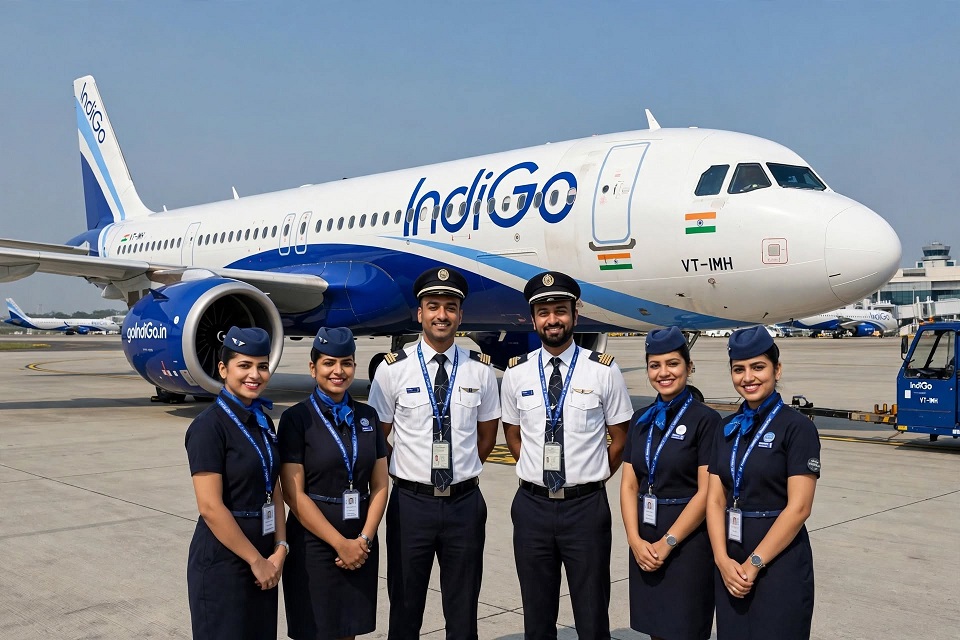
India’s largest airline, IndiGo, has introduced several changes to its pilot compensation, recruitment and crew scheduling systems to comply with the Directorate General of Civil Aviation (DGCA)’s revised Flight Duty Time Limitations (FDTL) regulations.
The stricter rules, introduced in phases with the second phase taking effect on November 1, 2025, were designed to improve pilot rest periods, reduce fatigue and strengthen aviation safety.
The new regulations require airlines to provide pilots with longer weekly rest periods, tighter restrictions on night operations and fewer consecutive night landings. These changes significantly increased crew requirements, particularly for airlines operating extensive domestic and international networks.

What Changed Under the New DGCA Rules?
The revised FDTL framework introduced several important changes:
- Weekly rest: Increased from 36 to 48 consecutive hours.
- Night operations: Stricter restrictions on pilot duty during night hours.
- Night landings: Limited to two per pilot during the defined weekly period, compared with the previous allowance of up to six.
- Fatigue management: Tighter limits on flight duty during the window of circadian low, when the human body is naturally more prone to fatigue.
These requirements forced airlines to reassess their pilot availability, flight schedules and crew rostering systems.
IndiGo Increases Pilot Allowances
To improve pilot retention and compensate for changes in working patterns, IndiGo announced higher allowances effective January 1, 2026.
Some of the reported increases include:
- Domestic layover allowance: Captains receive ₹3,000 for 10–24-hour layovers, up from ₹2,000. First Officers receive ₹1,500, up from ₹1,000.
- Night-duty allowance: Increased to approximately ₹2,000 per night hour for captains and ₹1,000 for First Officers.
- Deadhead allowance: Increased to ₹4,000 per scheduled block hour for captains, compared with ₹3,000 previously. First Officers receive ₹2,000, up from ₹1,500.
- Additional benefits: New tail-swap allowances and revisions to meal and transit allowances.
These changes were intended to make pilot compensation more competitive while addressing the additional operational demands created by the revised regulations.
IndiGo Expands Pilot Recruitment and Crew Buffers
The airline also strengthened its pilot workforce and introduced changes to crew scheduling to avoid another operational crisis.
By early 2026, reports indicated that IndiGo had approximately 2,400 captains and 2,240 First Officers for its A320 fleet, exceeding the reported requirements of approximately 2,280 captains and 2,050 First Officers.
The airline also increased standby crew availability, strengthened operational buffers and accelerated pilot recruitment and training.
These measures were particularly important following the massive flight disruptions in December 2025, when thousands of IndiGo flights were cancelled amid crew shortages and rostering problems linked to the implementation of the new FDTL framework.
Temporary Exemptions Ended in February 2026
Following the December 2025 disruption, the DGCA granted IndiGo temporary exemptions from certain provisions of the revised pilot duty regulations.
These exemptions were scheduled to expire on February 10, 2026. From February 11, IndiGo was required to operate under the full revised framework.
The airline subsequently informed the regulator that it had sufficient pilot availability and was prepared to maintain stable operations under the stricter requirements.
IndiGo Wants a Review of Pilot Duty Regulations
While IndiGo has moved towards full compliance, the airline’s leadership has also called for a review of India’s pilot duty regulations.
The airline has raised concerns that stricter duty limitations could increase operating costs, reduce crew productivity and affect the competitiveness of Indian aviation compared with international airlines.
However, the broader discussion is focused on balancing operational efficiency, international best practices and pilot fatigue management without compromising flight safety.
The revised FDTL framework has therefore brought significant changes to IndiGo’s workforce planning, pilot compensation and airline operations.

You must be logged in to post a comment Login