
Aviation
IAF Chief Criticizes Slow Tejas Production as China Tests Advanced 6th-Gen Fighters

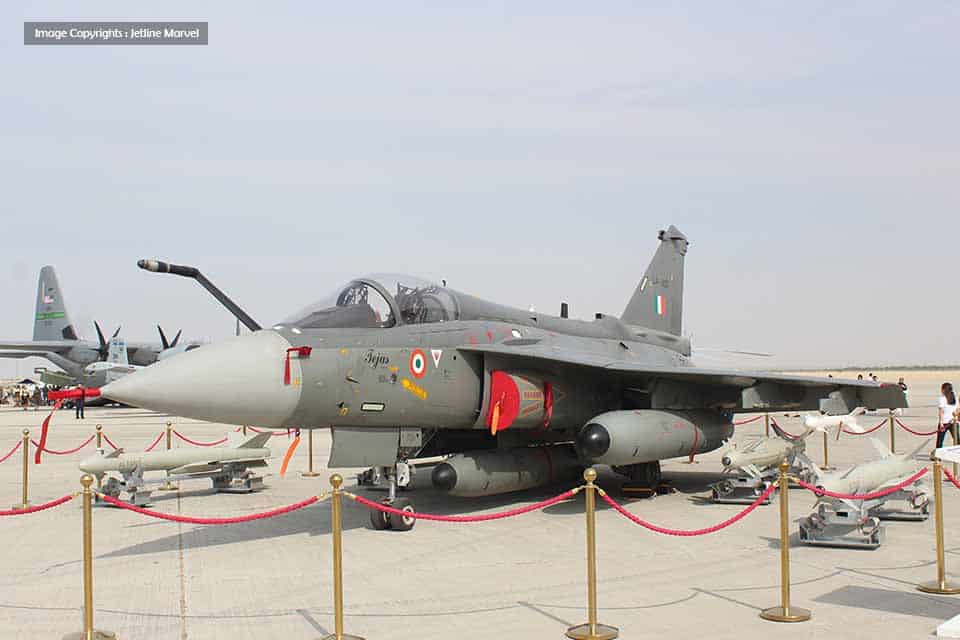
The Indian Air Force (IAF) is facing significant delays in receiving the first batch of 40 hal tejas fighter jets, which were ordered back in 2009-2010. This delay has raised concerns, especially with the growing advancements in military technology by neighboring China.
At the 21st Subroto Mukerjee Seminar, IAF Chief Air Chief Marshal (ACM) AP Singh highlighted the need for India to speed up its defense modernization efforts, particularly in the face of China’s rapid progress in air power.
STARLUX Orders Airbus A350 Freighter: Why It Is in High Demand
ACM Singh expressed his frustration over the slow delivery of the tejas aircraft, which were initially expected to be delivered years ago. The delay in receiving the first batch of 40 jets is troubling, especially as India’s adversaries, such as China, continue to enhance their military capabilities. Singh stressed that the scale of production for the tejas fighter jet needs to increase to keep up with the growing threats in the region.
China has been making significant strides in its air force, as evidenced by its recent unveiling of two sixth-generation stealth fighter jets. These advanced, tailless combat aircraft made their maiden flights on December 26 in Chengdu, surprising defense experts worldwide.
Pakistan &Türkiye Discuss Joint Helicopter Production and KAAN Fighter Jet Sale
These jets are already being hailed as a major technological leap, and their flight has raised concerns, particularly in the United States, which is still working on its own sixth-generation fighter project. The unveiling of these jets signals China’s growing strength in military aviation, which has already been demonstrated with the deployment of its fifth-generation Chengdu J-20 jets near India’s borders.
In his address, ACM Singh stressed the rapid pace of China’s military modernization, noting that it was not just about the number of aircraft but also the speed at which their technology is advancing. He pointed out that India must respond to these developments and increase its own defense capabilities to maintain a competitive edge.
To address the challenges in India’s defense sector, ACM Singh called for more private sector involvement in defense manufacturing. He highlighted the need for increased research and development (R&D) funding, which currently stands at just 5% of the defense budget, when it should be closer to 15%.
Air India Express Adds 22 Routes to Its Network and Drops One International Route
He also emphasized the importance of meeting production timelines, as time is critical in the defense sector. Singh mentioned that R&D efforts would lose relevance if they cannot meet deadlines, and he encouraged a culture of learning from failures to improve progress.
Singh also stressed that India needs to be more confident in taking risks and learning from failures rather than avoiding them, which he believes is contributing to delays in defense development. He argued that defense is an area where time is of the essence, and if India fails to meet critical timelines, it risks falling behind technologically.
