
Aircraft comparison
F-16 vs. Eurofighter Typhoon: Which Fighter Jet Takes the Lead in Combat?
F-16 vs. Eurofighter Typhoon—Which fighter jet reigns supreme? Discover why the F-16’s affordability, versatility, and combat record make it a top choice worldwide.

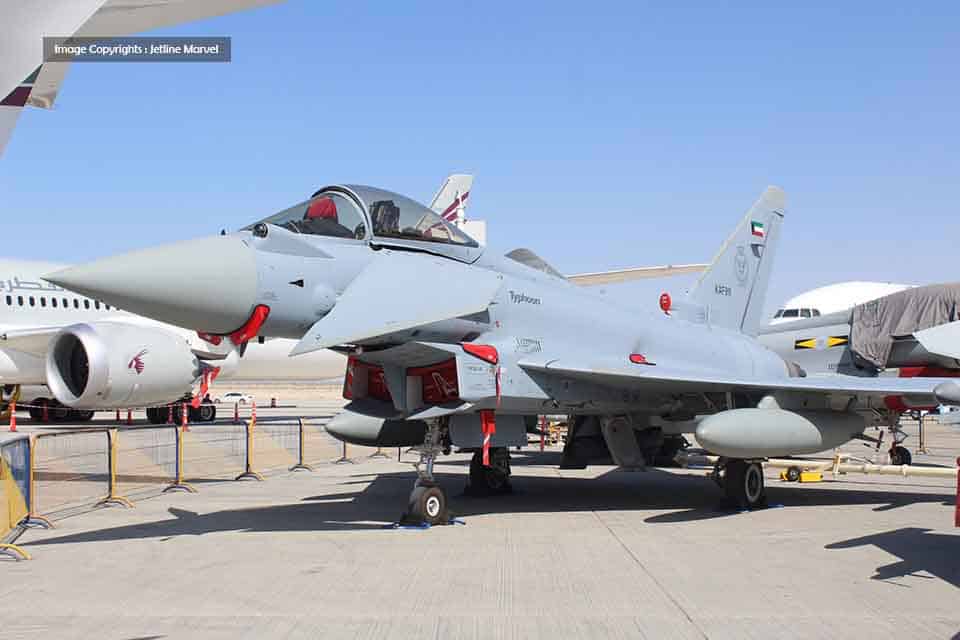
When it comes to air-to-air combat, the F-16 Fighting Falcon and the Eurofighter Typhoon are both exceptional fighter jets. Each boasts cutting-edge technology, impressive performance, and multi-role capabilities.
However, many aviation experts and military analysts argue that the F-16 holds key advantages over the Typhoon, making it the preferred choice for several air forces worldwide. Let’s break down why the F-16 remains a top-tier fighter despite the Typhoon’s advanced features.
Cost and Operational Efficiency: The F-16’s Biggest Advantage
One of the primary reasons the F-16 is often considered superior to the Eurofighter Typhoon is its affordability. The F-16 is significantly cheaper to acquire and maintain, making it an attractive option for nations looking to strengthen their air forces without exceeding their defense budgets. The latest variant, the F-16V, is priced between $30 million and $40 million per unit, whereas the Eurofighter Typhoon can cost anywhere from $100 million to $120 million per unit.
Beyond the initial purchase price, the F-16 also has lower operational and maintenance costs. This is a crucial factor for many countries with limited military spending. The Eurofighter Typhoon, while undeniably powerful, comes with higher upkeep expenses, making it less accessible to air forces that need cost-effective fighter solutions. The F-16’s affordability ensures that more countries can operate and maintain a capable fleet without financial strain.
Global Popularity and Widespread Use
Another major advantage of the F-16 is its widespread adoption. With over 4,600 units produced and more than 25 countries operating the aircraft, the F-16 has cemented itself as one of the most widely used fighter jets in history. In contrast, the Eurofighter Typhoon has just nine operators, with many of these countries maintaining only a limited number of squadrons.
The extensive global use of the F-16 translates into a well-established supply chain, ensuring the availability of spare parts, trained pilots, and maintenance expertise. Since multiple suppliers manufacture parts for the F-16, operators can keep their aircraft operational without long delays or excessive costs. The Eurofighter Typhoon, being a less common aircraft, has a more limited supply network, often resulting in higher costs and longer lead times for spare parts and maintenance.
Versatility: The F-16’s Multirole Capabilities
While the Eurofighter Typhoon is known for its impressive multi-role capabilities, the F-16 is just as versatile—if not more so. It can perform a wide range of missions, including air superiority, ground attack, reconnaissance, and close air support. The aircraft has been continuously upgraded over the years to meet evolving combat requirements, further enhancing its adaptability.
The F-16 has been in continuous production for nearly 50 years, making it one of the most well-understood fighter platforms in the world. With a proven combat record in conflicts such as Operation Desert Storm and recent engagements in the Middle East, the F-16 has demonstrated its reliability and effectiveness in real-world combat scenarios.
Eurofighter Typhoon: A Powerful Contender, But…
Despite its higher cost, the Eurofighter Typhoon is undoubtedly a technological powerhouse. Its canard-delta wing design enhances maneuverability, making it a highly capable dogfighter. The Typhoon also features advanced avionics, cutting-edge radar systems, and long-range strike capabilities, giving it an edge in high-intensity combat scenarios.
However, the Typhoon faces stiff competition from other high-end fighter jets, such as the Dassault Rafale. Both aircraft share similar roles and price ranges, making them direct competitors for countries seeking top-tier multi-role fighters. Meanwhile, the F-16 has no direct rival in its price category, offering an unbeatable combination of affordability and capability.
Performance Comparison: Speed, Range, and Maneuverability
In terms of performance, the Eurofighter Typhoon has some advantages over the F-16. It boasts a top speed of Mach 2 (approximately 1,550 mph) and an operational range of 1,390 miles. The Typhoon’s canards improve its agility, particularly in high-G maneuvers, making it a superior aircraft in close-range dogfights.
The F-16, however, is no slouch in the performance department. It also has a top speed of Mach 2 but offers a slightly longer range of 2,280 miles, which is impressive given its lower cost. While the F-16 lacks the canard configuration found on the Typhoon, its lightweight airframe and efficient aerodynamics allow it to perform exceptionally well in various combat situations.
The Eurofighter Typhoon is packed with advanced technology and top-tier combat capabilities, but the F-16 proves that a great fighter jet doesn’t have to be the most expensive. With its affordability, reliability, and combat-proven record, the F-16 remains a favorite for many air forces looking for maximum value.
Choosing between the two depends on priorities. If a country wants cutting-edge tech and has the budget, the Typhoon is a strong contender. But for those needing a versatile, cost-effective, and widely supported fighter, the F-16 is hard to beat. In the end, the best fighter isn’t always the priciest—it’s the one that delivers where it matters.
