
Aviation
Boeing 777X Rework: What Happens to the Early-Built 777-9 Aircraft?

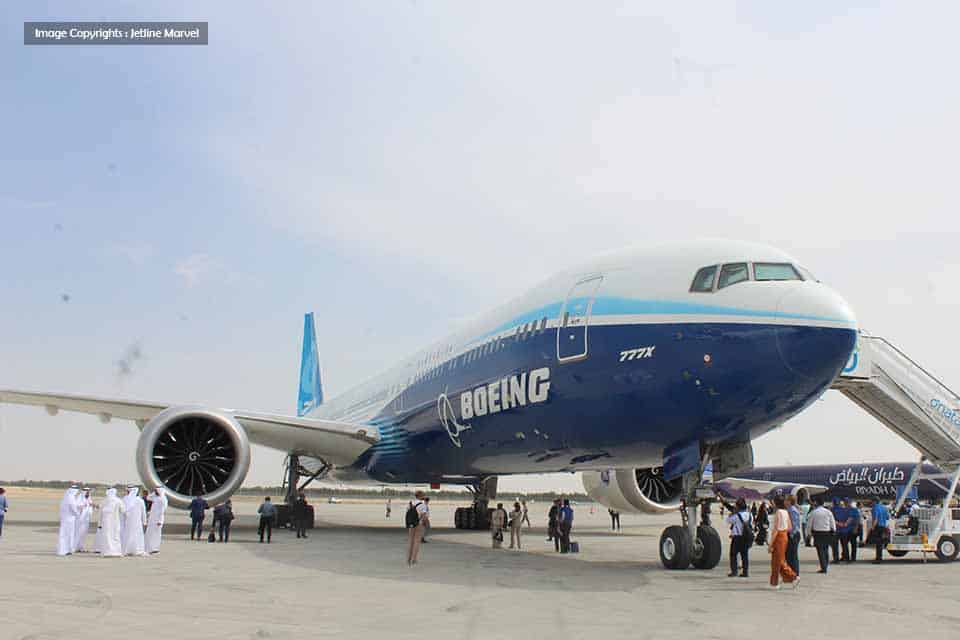
Boeing’s Early-Built 777X Problem: Why Nearly 30 Aircraft Need Major Rework Before Delivery
The Boeing 777X, particularly the 777-9, is one of Boeing’s most ambitious new-generation widebody aircraft programs. Boeing expected the aircraft to enter service with a high level of reliability and without major defects before delivery to its customers. But the program has faced years of testing, design changes, certification delays, and modifications.
The 777X is expected to become Boeing’s next-generation replacement for the 747 in the long-haul widebody market. However, the aircraft has gone through extremely rigorous flight testing and certification, and Boeing has built several aircraft during this long development process.
Now, the situation has become more complicated.
Nearly 30 early-built Boeing 777X aircraft are sitting in storage after being produced before the final certified configuration was completed. Many of these aircraft were built between 2019 and 2021 and have spent years at Boeing’s Everett and Paine Field facilities.
During the lengthy 777X certification process, the aircraft design continued to evolve. Because of these changes, the early-built aircraft now require significant rework and modifications before they can potentially be delivered to customers.
Boeing plans to carry out extensive “change incorporation” work, bringing these early 777X aircraft closer to the final production standard. Boeing CEO Kelly Ortberg has indicated that this process could take years.

The big question now is what Boeing will do with these aircraft.
Some could potentially be sold at discounted prices to other airlines or aircraft leasing companies. But aircraft that are considered too expensive to modify could eventually be written off or scrapped.
The modification work itself is not easy.
Most of these early-built 777-9 aircraft were already assembled and configured before the final design changes were introduced. Take the fuselage as an example. The aircraft structure goes through extensive testing, with thousands of rivets, joints, wiring, systems, and permanent fixtures already installed.
Going back and modifying these structures from the inside and outside can be extremely difficult. The same applies to major sections such as the wings, fuselage, landing gear, and tail.

All of these components are already part of the completed aircraft structure, making major modifications much more complicated than simply updating a new aircraft during production.
That is why bringing these early-built Boeing 777X aircraft up to the latest certified configuration is becoming a major challenge for Boeing.
In fact, at least one early 777X airframe has already been dismantled. That aircraft was originally intended for Emirates, the largest Boeing 777X customer with around 270 orders.
The issue is particularly important for Emirates. Emirates President Sir Tim Clark has indicated that the airline does not want to accept some of its oldest early-built 777X aircraft.
The airline is willing to wait longer, but it wants to receive newer aircraft built to the latest production standard.
For Emirates, this is also about the airline’s brand image, long-term reliability, maintenance costs, and the residual value of the aircraft. Similar concerns could also affect other customers, including Lufthansa, which is expected to be among the first airlines to receive the 777-9.
Boeing is therefore taking a two-track approach. It will rework the early-built aircraft where the economics make sense, while focusing new production on 777X aircraft built to the latest configuration.
The Boeing 777-9 is expected to begin deliveries once certification is completed, with Lufthansa expected to be among the first customers.
For Boeing, the goal is simple: recover as much value as possible from these early-built 777X aircraft.
But some of them may ultimately become too expensive to save.
