
Defence
Azerbaijan Inks Historic $1.6B Agreement for Advanced JF-17 Block III Jets
Pakistan to supply 40 JF-17 Block III jets to Azerbaijan in a $1.6B deal, showcasing the success of its China-backed defense manufacturing program.

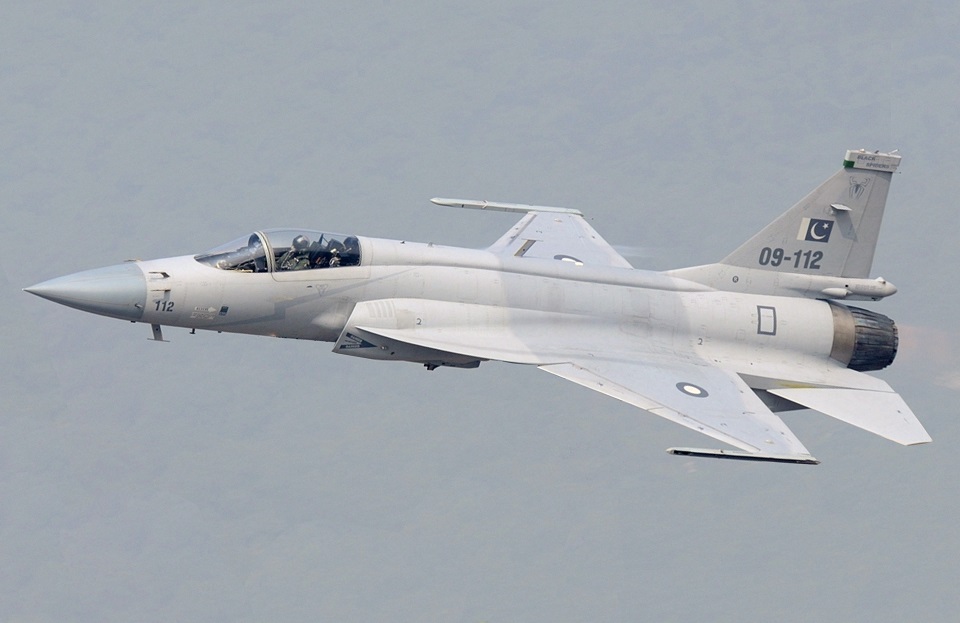
In a landmark moment for Pakistan’s defense and aerospace industry, Islamabad has signed its largest-ever defense export agreement—delivering 40 advanced JF-17 Block III fighter jets to Azerbaijan.
This historic deal not only showcases the success of the Pakistan-China defense collaboration but also highlights Pakistan’s growing presence in the global arms market.
As nations around the world seek affordable yet modern fighter platforms, the JF-17 Thunder has emerged as a standout choice for nations like Azerbaijan looking to strengthen their aerial capabilities without breaking the bank.
Strengthening Defense Ties Through Innovation
The deal builds upon long-standing strategic ties between China and Pakistan, particularly in defense technology.
Jointly developed by the Pakistan Aeronautical Complex (PAC) and China’s Aviation Industry Corporation (AVIC), the JF-17 Thunder is a single-engine, lightweight, multi-role fighter aircraft designed to meet the demands of modern aerial warfare. The latest Block III variant represents the most advanced version of the JF-17 platform, boasting cutting-edge features that rival those found in 4.5-generation fighters.
Announced by Pakistani government sources just weeks after the J-10C—a heavier Chinese fighter jet also used by Pakistan—achieved success in aerial skirmishes with the Indian Air Force, the JF-17 deal marks a significant milestone for Islamabad’s export ambitions.
Azerbaijan’s Strategic Move
Azerbaijan’s decision to procure 40 units of the JF-17C Block III follows an initial agreement signed in February 2024. Valued at approximately $1.6 billion, the comprehensive deal includes not only aircraft but also training programs and a complete weapons package, ensuring operational readiness from day one.
For Azerbaijan, this acquisition represents a substantial boost to its air force, equipping it with a versatile platform capable of handling both air superiority and ground strike missions in a rapidly evolving regional security landscape.
JF-17 Block III: What’s New?
The JF-17 Block III is far more than an upgrade—it is a complete transformation of the platform into a highly capable, modern fighter. Key enhancements include:
- Active Electronically Scanned Array (AESA) Radar: An air-cooled radar system that provides superior detection, tracking, and targeting capabilities.
- Three-Axis Digital Fly-by-Wire Control: Improves handling and maneuverability, especially during high-G maneuvers.
- Infrared Search and Track (IRST) System: Allows passive detection of enemy aircraft without revealing the jet’s own position.
- Helmet-Mounted Display and Sight (HMD/S): Enables pilots to aim and fire weapons simply by looking at the target.
- Missile Approach Warning System (MAWS): Offers improved survivability by alerting pilots to incoming missile threats.
- Holographic Wide-Angle Head-Up Display (HUD): Provides enhanced situational awareness with a larger and thinner screen similar to what’s used in elite Chinese fighters like the J-10C and J-20.
- Advanced Electronic Warfare Suite: Improves survivability in hostile environments by jamming or evading enemy radar and missiles.
- Chin-Mounted Hardpoint: Increases weapon versatility and payload options.
- Composite Materials: Reduces overall weight and enhances agility and fuel efficiency.
These features position the JF-17 Block III as a formidable force in both offensive and defensive roles.
A Global Contender
The success of the JF-17 program reflects Pakistan’s evolving defense manufacturing capabilities and growing geopolitical influence. With its affordable price tag, low operational costs, and modern combat systems, the JF-17 has become an attractive choice for countries that need reliable and effective air power without the high costs associated with Western jets.
From Myanmar to Nigeria and now Azerbaijan, the Thunder’s footprint is expanding. This latest deal could pave the way for future exports, especially among countries seeking alternatives to expensive Western platforms.
Conclusion
Pakistan’s deal with Azerbaijan is more than just a financial success—it’s a testament to the country’s engineering progress, strategic partnerships, and diplomatic outreach. As the JF-17 Block III jets begin production and delivery, Pakistan’s aerospace industry stands poised for further growth, signaling a new era of international defense collaboration and regional power projection.
For more aerospace news, check out JetlineIntel.
Want to buy aviation merchandise? Visit Jetshop.in.
To read Jetlinemarvel’s updates on Google News, head over to Google News.



