
Defence
Safran to Power Tejas Mk2: India’s Big Leap in Fighter Jet Modernization
HAL’s Tejas Mk2 jets may soon fly with Safran engines as India moves to strengthen its air force and reduce foreign dependency after strategic shifts from Operation Sindoor.

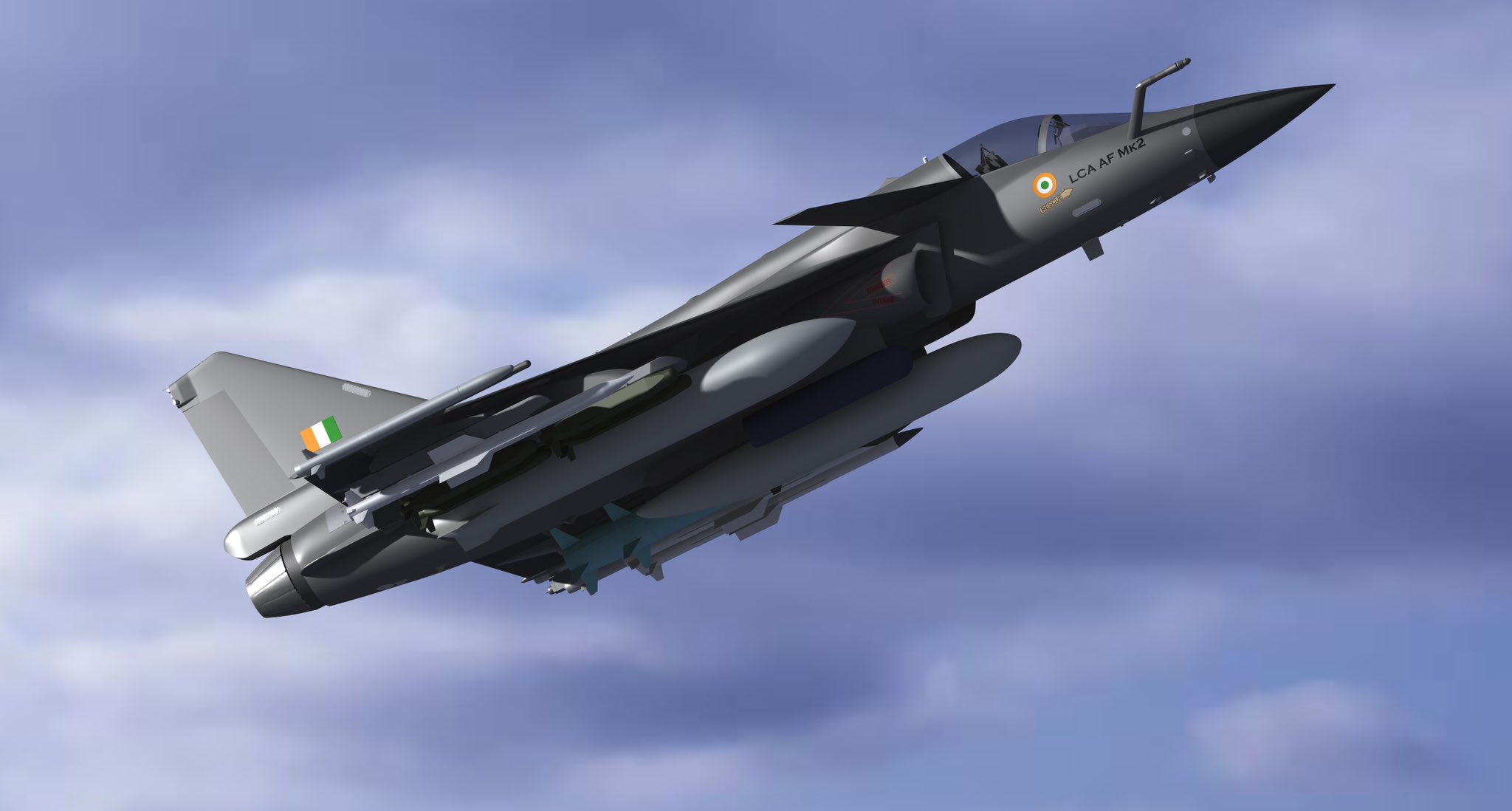
In the wake of growing regional threats and the strategic urgency following Operation Sindoor, India is accelerating efforts to strengthen its aerial capabilities.
A major step in this direction is the Indian government’s plan to partner with France’s Safran to power the next-generation Tejas Mk2 fighter jets. This move comes amid delays in engine deliveries from GE Aerospace, which had been supplying engines for the Tejas Mk1A, causing bottlenecks in production timelines.
Strategic Imperative Behind the Shift
The Indian Air Force (IAF), aiming for an optimal strength of 42 fighter squadrons, is currently operating with just 31 active squadrons—well below the required threshold. With heightened security challenges emerging post-Operation Sindoor, there is now a renewed urgency to scale up the production and induction of advanced fighter aircraft.
Officials say that the government and defence planners are prioritizing engine availability to reduce dependency on a single foreign supplier and to avoid disruptions in future production lines.
Operation Sindoor has marked a shift in India’s security doctrine. Prime Minister Narendra Modi has reinforced a “new normal” that any terror attack on Indian soil will invite a heavy and direct retaliation against Pakistan—without distinction between state and non-state actors. In this evolving strategic environment, the IAF’s ability to project rapid and decisive air power has become non-negotiable.
Safran’s Role in the Tejas Mk2 Program
To meet this demand, India is now in advanced talks with France’s Safran, one of the world’s leading aircraft engine manufacturers.
If negotiations are successful, Safran will not only supply engines but may also co-develop a customized powerplant specifically for the Tejas Mk2 platform. This would represent a major technological partnership and a step toward greater indigenization and self-reliance in India’s defense manufacturing.
Tejas Mk2: A Leap in Indigenous Air Combat Capability
The tejas mk2 is envisioned as a powerful 4.5-generation multirole fighter aircraft designed to fill the gap between current fleet capabilities and future 5th-gen platforms.
Significantly larger and more capable than its predecessor, the Tejas Mk2 boasts a top speed of Mach 1.8 and beyond, and a combat range of approximately 3,000 kilometers with drop tanks. With a mission endurance of 120 minutes, it is designed for longer and more versatile deployments.
The aircraft’s modular open architecture enhances its maintainability and turnaround time, enabling faster and more cost-effective production. HAL aims to roll out up to 25 units per year, addressing the IAF’s urgent need for more squadrons.
Conclusion
India’s decision to pivot from GE Aerospace to Safran is more than a supplier change—it’s a strategic realignment to ensure reliability, timely delivery, and deeper technological collaboration.
With Operation Sindoor reshaping India’s security landscape, the Tejas Mk2, powered by advanced French engines, stands at the forefront of India’s drive toward air dominance, self-reliance, and operational readiness.
For more aerospace news, check out JetlineIntel.
Want to buy aviation merchandise? Visit Jetshop.in.
To read Jetlinemarvel’s updates on Google News, head over to Google News.
