
Aviation
Iraq Considers Rafale F4 Acquisition to Overcome F-16 Capability Gaps
Iraq is reportedly close to finalizing a deal for 14 French Rafale F4 fighter jets, a move that could redefine its air force capabilities after years of operating limited U.S.-made F-16s.

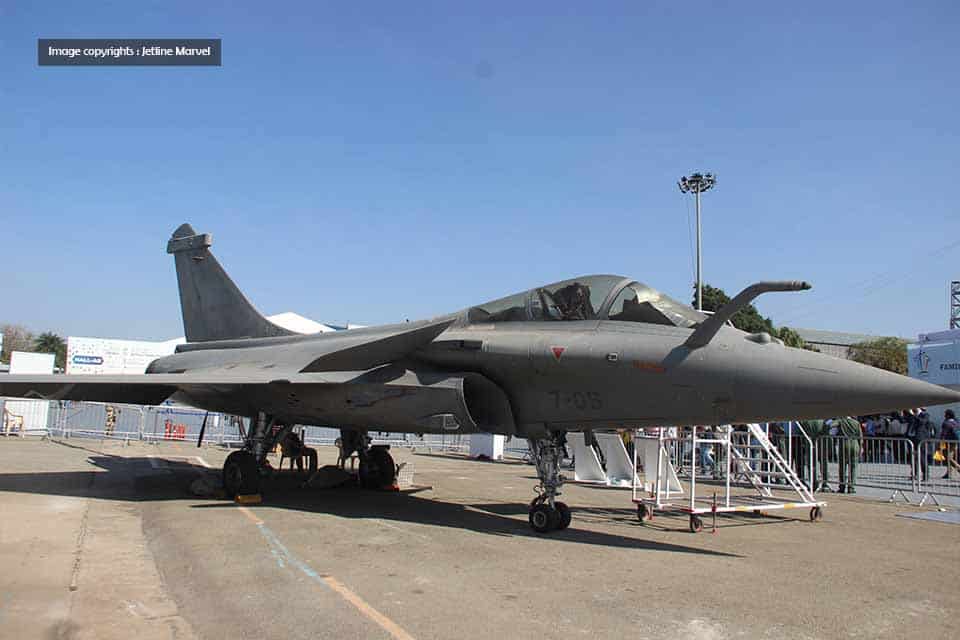
After years of relying almost exclusively on U.S.-supplied combat aircraft, Iraq appears to be preparing for a major shift in its airpower strategy. Deepening defense ties between Baghdad and Paris—already visible through helicopter and defense cooperation—are now extending into frontline fighter aviation, potentially reshaping the future of the Iraqi Air Force.
According to multiple reports, Iraq is in advanced discussions with France for the acquisition of 14 Dassault Rafale fighters, with a potential contract signature expected in 2026. French aviation outlet Avions Légendaires, citing Iraqi sources, reported on December 16, 2025, that negotiations between Baghdad and Paris have entered a late stage.
If finalized, the deal would mark Iraq’s first purchase of a Western fighter aircraft outside the U.S. ecosystem and signal a clear diversification of its defense partnerships after more than a decade of operating American-made F-16s.
The reported package under discussion includes:
- 10 single-seat Rafale C fighters
- 4 two-seat Rafale B variants
All aircraft would be delivered in the latest Rafale F4 standard, representing the most advanced operational configuration of the multirole fighter currently in service with the French Air and Space Force.
Rafale F4: key features and capabilities
The Rafale F4 standard brings a major leap in combat capability compared to Iraq’s existing fleet. Key enhancements include:
- Upgraded communications and tactical data links, enabling improved network-centric warfare and real-time data sharing
- Enhanced RBE2 AESA radar, offering improved detection, tracking, and multi-target engagement
- Advanced SPECTRA electronic warfare suite, providing state-of-the-art electronic attack, self-protection, and threat detection
- SCORPION Helmet-Mounted Display (HMD), allowing pilots to cue weapons and sensors simply by looking at targets
- TALIOS targeting pod, featuring embedded digital mapping, expanded detection ranges, and improved target identification and tracking
Together, these systems would give Iraq access to high-end air combat, precision strike, and electronic warfare capabilities it currently lacks.
Weapons package under discussion
Reports indicate the deal could include a modern weapons suite, notably:
- MICA NG short- and medium-range air-to-air missiles
- Meteor beyond-visual-range (BVR) air-to-air missiles, among the most capable in the world
- Safran AASM “Hammer” guided munitions for precision strike missions
Such weapons would dramatically enhance Iraq’s air-to-air and air-to-ground effectiveness compared to its current inventory.
Performance and operational flexibility
Powered by two Safran M88-2 turbofan engines, the Rafale F4 is capable of:
- Sustained supersonic flight
- Maximum speed of Mach 1.8
- Operational ceiling of approximately 15,240 meters
The aircraft can carry up to 9.5 tonnes of external stores across 14 hardpoints, supporting a wide range of mission configurations, including air superiority, deep strike, reconnaissance, and maritime attack. Its operational range is commonly cited at around 1,850 kilometers at high altitude, and the design supports both land-based and carrier operations.
Combat-proven multirole fighter
Since entering service in the early 2000s, the Rafale has seen extensive combat use in Afghanistan, Libya, Mali, Iraq, and Syria, reinforcing its reputation as a reliable, combat-proven platform. It has also been exported to several air forces across Europe, the Middle East, and Asia, further validating its operational credibility.
Sharp contrast with Iraq’s F-16IQ fleet
The potential rafale fighter jet price acquisition highlights the limitations of Iraq’s current fighter force. The Iraqi Air Force operates 34 F-16IQs, a simplified variant of the F-16C/D Block 50/52 designed specifically for Iraq.
These aircraft suffer from significant constraints: No access to modern missiles such as AIM-120 AMRAAM or AIM-9X. Reliance on older AIM-7 Sparrow and AIM-9L/M Sidewinder missiles and Restricted avionics and electronic warfare systems compared to standard F-16.
As a result, Iraq’s F-16IQ fleet is primarily optimized for ground-attack missions, with limited air superiority capability.
A new era for Iraqi airpower?
While neither Iraqi authorities nor Dassault Aviation have officially confirmed the scope, value, or timeline of the reported agreement, the acquisition of dassault rafale share price F4 fighters would represent the most significant modernization of Iraq’s air combat capability in decades.
If signed, the deal would not only transform the Iraqi Air Force’s operational reach but also mark a decisive shift in Baghdad’s defense alignment—moving from reliance on constrained U.S. platforms toward a more capable, diversified, and sovereign airpower future.
For more aerospace news, check out JetlineIntel.
Want to buy aviation merchandise? VisitJetshop.in.
To read Jetlinemarvel’s updates on Google News, head over to Google News.
