
Defence
India Eyes Sixth-Generation FCAS with France After Rafale Success
As internal disputes challenge Europe’s FCAS project, India emerges as a potential partner for France, seeking advanced sixth-generation

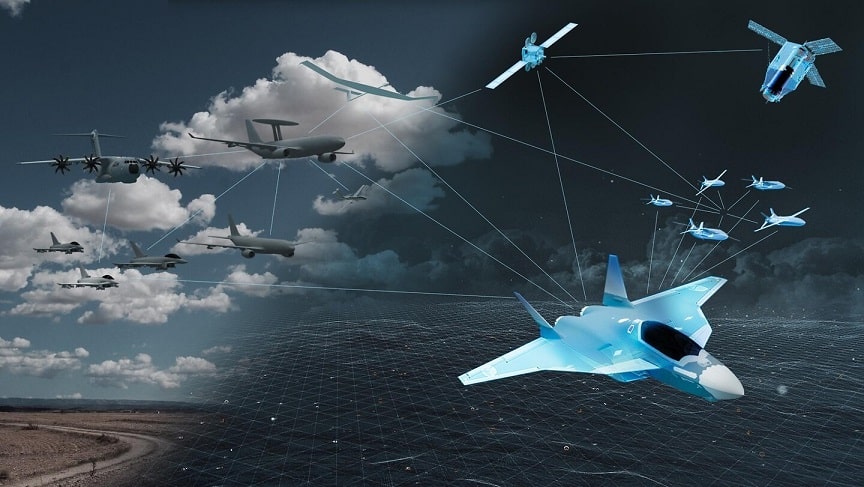
India is reportedly exploring the possibility of joining the Future Combat Air System (FCAS) — Europe’s ambitious sixth-generation fighter jet initiative led by France, Germany, and Spain.
Originally launched in 2017, the program brings together major aerospace players such as Dassault Aviation and Airbus to develop a next-generation combat ecosystem centered around a sixth-generation fighter.
Recent reports suggest that India has conveyed strong interest to France about potentially joining FCAS for co-development and co-manufacturing. This comes at a time when the program itself faces internal challenges.
Disagreements between Dassault and Airbus over work share, leadership of the fighter jet component, intellectual property rights, and operational requirements — including France’s need for nuclear-capable and carrier-based variants — have created tensions within the partnership.
There have even been suggestions of alternative design pathways or parallel solutions if consensus cannot be reached. Political uncertainty in Germany has also raised questions about the program’s future direction.
Amid this backdrop, India’s interest could provide new momentum. India and France have steadily deepened defense cooperation in recent years. India already operates the Dassault Rafale and is in discussions for additional acquisitions. Beyond aircraft purchases, the partnership includes expanding MRO facilities, missile joint ventures, and broader strategic defense agreements.
At the same time, India is developing its own fifth-generation stealth fighter, the HAL AMCA (Advanced Medium Combat Aircraft), with prototype development underway and a targeted induction timeline in the mid-2030s.
Participation in FCAS could potentially accelerate India’s access to advanced technologies such as artificial intelligence integration, drone swarming concepts, next-generation stealth, and collaborative combat systems — all of which are central to sixth-generation warfare.
As of now, there is no formal announcement confirming India’s entry into FCAS. Discussions remain exploratory. However, if internal differences within the European partners persist, France could seek additional collaborators to sustain the program’s momentum — and India may emerge as a strong candidate.
Financially, FCAS is projected to require massive investment, with estimates reaching up to $100 billion over its lifecycle. Any Indian participation would involve substantial financial commitment, technology sharing arrangements, and long-term industrial collaboration.
In summary, India is not yet a member of FCAS, but current developments indicate serious consideration. If negotiations progress, this could mark a major shift in India’s aerospace ambitions and its strategic partnership with France, potentially shaping the future of sixth-generation air combat.
For more aerospace news, check out JetlineIntel.
Want to buy aviation merchandise? VisitJetshop.in.
To read Jetlinemarvel’s updates on Google News, head over to Google News.


