
Airlines
FAA reveals that 300 Boeing planes could result in fuel tank explosions

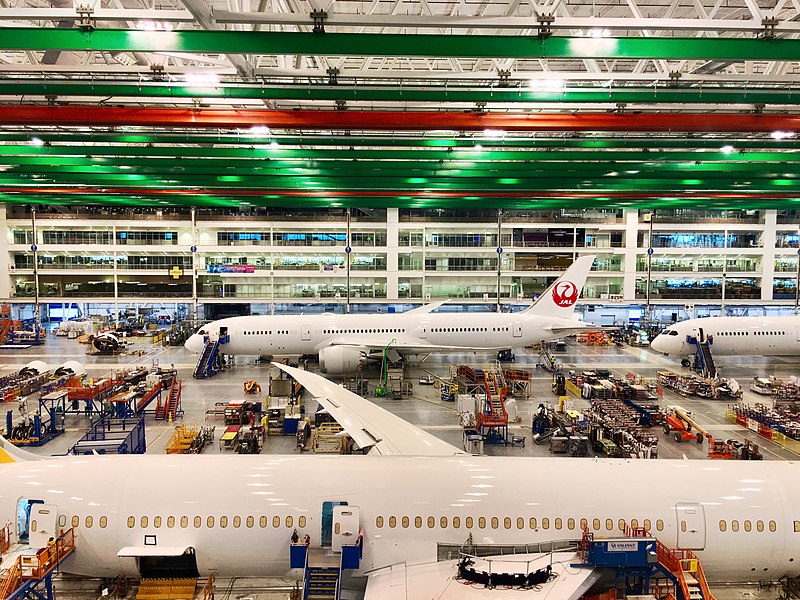
The Federal Aviation Administration (FAA) has brought attention to a concerning issue with Boeing aircraft that could lead to fuel tank explosions, adding to the litany of safety concerns surrounding the aerospace giant’s products.
According to a proposed rule from the FAA, Boeing’s 777 liner has been found to have dangerously poor electrical insulation near its fuel tank, posing a significant risk of ignition and subsequent fire or explosion. This revelation comes amid heightened scrutiny of Boeing’s aircraft due to several recent incidents highlighting potential safety flaws.
The impacted aircraft encompass nearly 300 Boeing 777s across the United States, including various models such as the 777-200, -200LR, -300, -300ER, and 777F series. In response to the discovery, the FAA has proposed a $14 million solution to address the issue across all 292 affected US-registered airplanes.
The proposed solution involves the installation of electrical bonding and grounding components in the center fuel tank, as outlined in the proposed Airworthiness Directive (AD) issued by the FAA. This comprehensive repair process includes extensive inspections, lasting approximately 90 hours per aircraft, followed by the installation of Teflon sleeves and cap fasteners in specific areas of the fuel tanks.
Crucially, the financial burden of these repairs would not fall on Boeing but on the operators and airlines that own the affected aircraft. The proposed timeline for completing the repairs extends up to 60 months.
Boeing, in response to the FAA’s proposed rulemaking, expressed its full support for making the guidance mandatory and emphasized that the issue does not present an immediate safety-of-flight concern. The company highlighted the multiple redundancies built into modern commercial airplanes to mitigate risks from electromagnetic effects.
