
Aviation
Boeing says 787 Dreamliner aircraft is safe

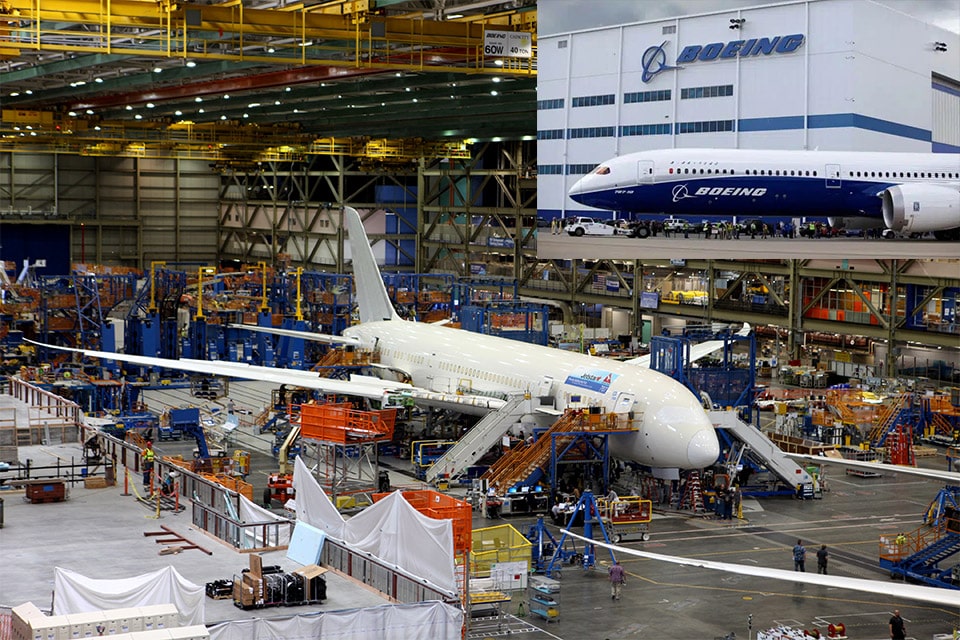
Boeing is standing firm on the safety and durability of its 787 Dreamliner aircraft despite mounting criticism and whistleblower allegations.
In response to concerns raised by whistleblowers and ahead of a congressional hearing, the aviation giant emphasized its rigorous testing protocols and asserted confidence in the integrity of its planes.
During a media briefing accompanied by a PowerPoint presentation, boeing aircraft
reiterated its confidence in the safety of both the 787 and 777 aircraft models. Senior engineers showcased extensive testing procedures aimed at refuting claims that approximately 1,400 Boeing planes may be afflicted by significant safety issues. The company addressed specific allegations, including concerns about gaps in manufacturing processes that could lead to premature fatigue failure over time.
The upcoming Senate hearing is expected to feature testimony from Boeing engineer Sam Salehpour, who has publicly criticized boeing airplanes safety practices and alleged retaliation for speaking out. Salehpour’s claims, currently under investigation by the FAA, include allegations of workers resorting to extreme measures during assembly, such as “jumping on pieces of the airplane” to align them.
Boeing officials stressed that thorough inspections of nearly 700 in-service Dreamliner jets revealed zero airframe fatigue findings, even after six and twelve years of heavy maintenance inspections. These results have been shared with the FAA, according to Boeing’s chief engineer, Steve Chisholm. He emphasized that the materials used in the construction of the 787 were specifically chosen for their resistance to fatigue and corrosion.
In response to Salehpour’s accusations of shortcuts in assembly processes, boeing planes
acknowledged instances where shims were not of the proper size and where areas did not meet skin-flatness specifications. However, the company dismissed claims of excessive force during assembly, stating that such practices were not part of their standard procedures.
