
Latest News.
Air India To Deploy TaxiBots For Airbus A320 Plane At Delhi, Bengaluru Airports

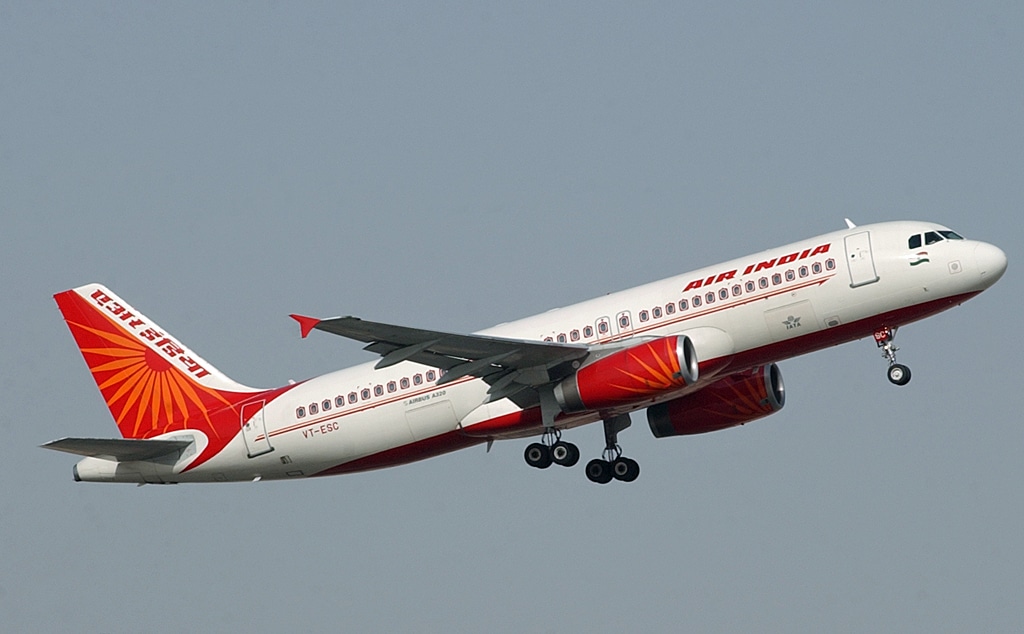
In order to begin TaxiBot operations for its Airbus A320 Family of aircraft at the airports of Delhi and Bengaluru, Air India reached an agreement with KSU Aviation. As the adoption of TaxiBots envisages a potential saving of about 15,000 tonnes in fuel usage over three years, the strategic alliance is in line with Air India’s aim to decreasing its carbon footprint, according to a statement from the airline.
Once mounted to the aircraft, the semi-robotic TaxiBot functions as an extension of the nose landing gear. It is used to tow aircraft from the terminal gate of the airport to the taxi-out point and to tow aircraft from the terminal gate after landing (taxi-in phase), conserving fuel.
In case you are wondering how a TaxiBot helps reduces carbon emissions and fuel consumption, here is a video of an @airindiain #A321 being towed by a Taxibot without utilizing the engines.
India is the only country in the world where TaxiBot operations are being performed on a… pic.twitter.com/OZF5lcB4B1— VT-VLO (@Vinamralongani) April 14, 2023
In addition to adopting TaxiBot, Campbell Wilson, CEO and MD of Air India, added that the company is continually searching for methods to increase sustainability and reduce its carbon footprint. Our dedication to lowering pollutants and fuel usage is further demonstrated through the use of TaxiBots. We will be able to more accurately evaluate TaxiBots’ capabilities through our partnership with KSU, which may result in a wider deployment at other airports and subsidiaries of Air India.
With the introduction of new aircraft, improved operating methods, and the use of cutting-edge technology, Air India is making investments in efficiency measures to adopt sustainability as part of its normal fleet operations.
We are thrilled about TaxiBot’s official introduction as a part of Air India’s targeted attempt to reduce its carbon footprint, according to Ashwani Khanna, director of KSU Aviation. Air India is undertaking a significant transition and has included sustainable practices into this process. In order to use contemporary technology to reduce carbon footprint and accelerate the transition to achieving net zero.



